
 Features
DJs, promoters, punters and staff members remember Corsica Studios
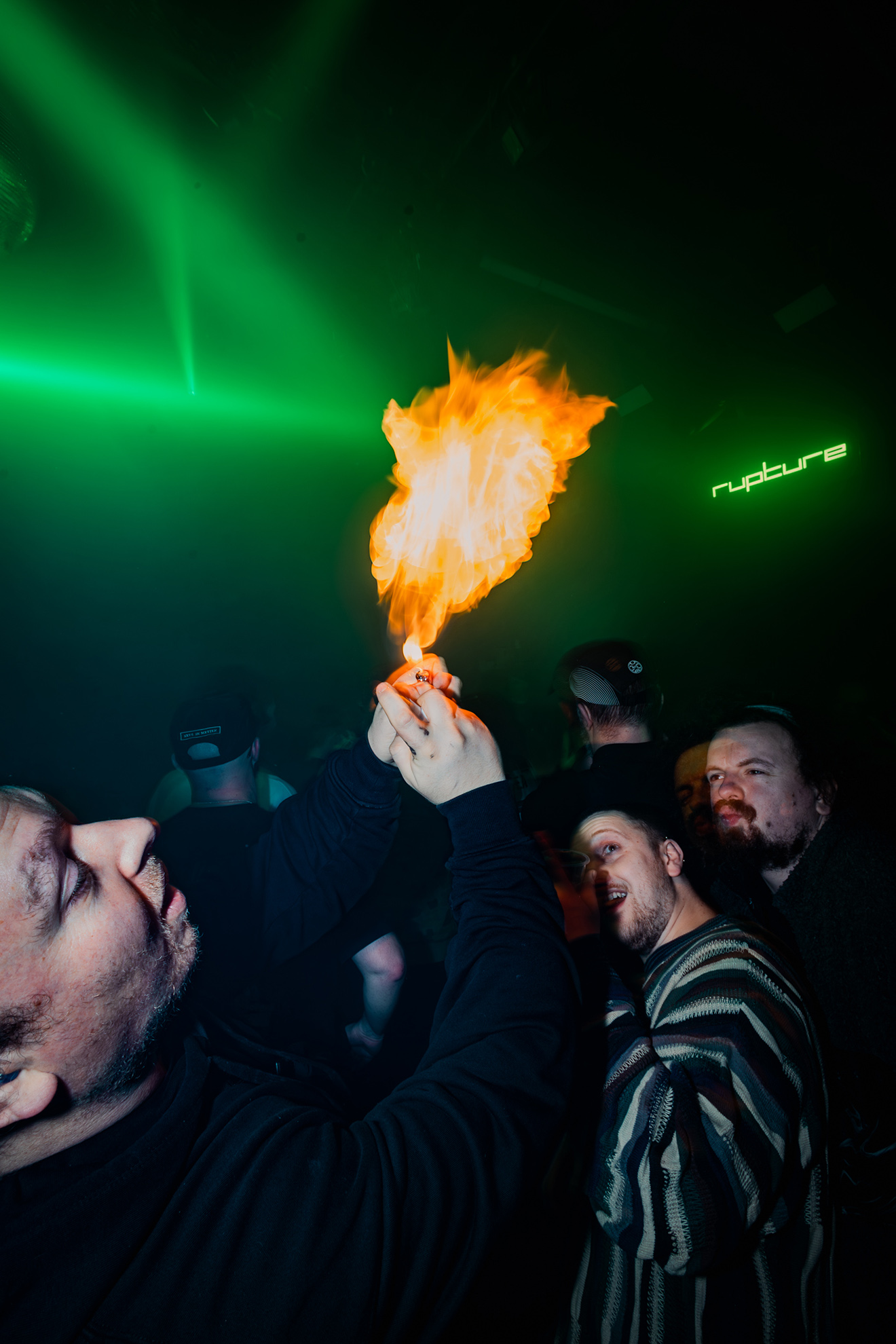
Corsica Studios will be remembered as one of the best and most important clubs in London of the 21st century. Across its closing months, Yewande Adeniran spoke to some of the venue's key players and appreciators to pay tribute. Reminisce below - while listening to an exclusive recording of Lukas Wigflex B2B Ivan Smagghe's set at the closing party
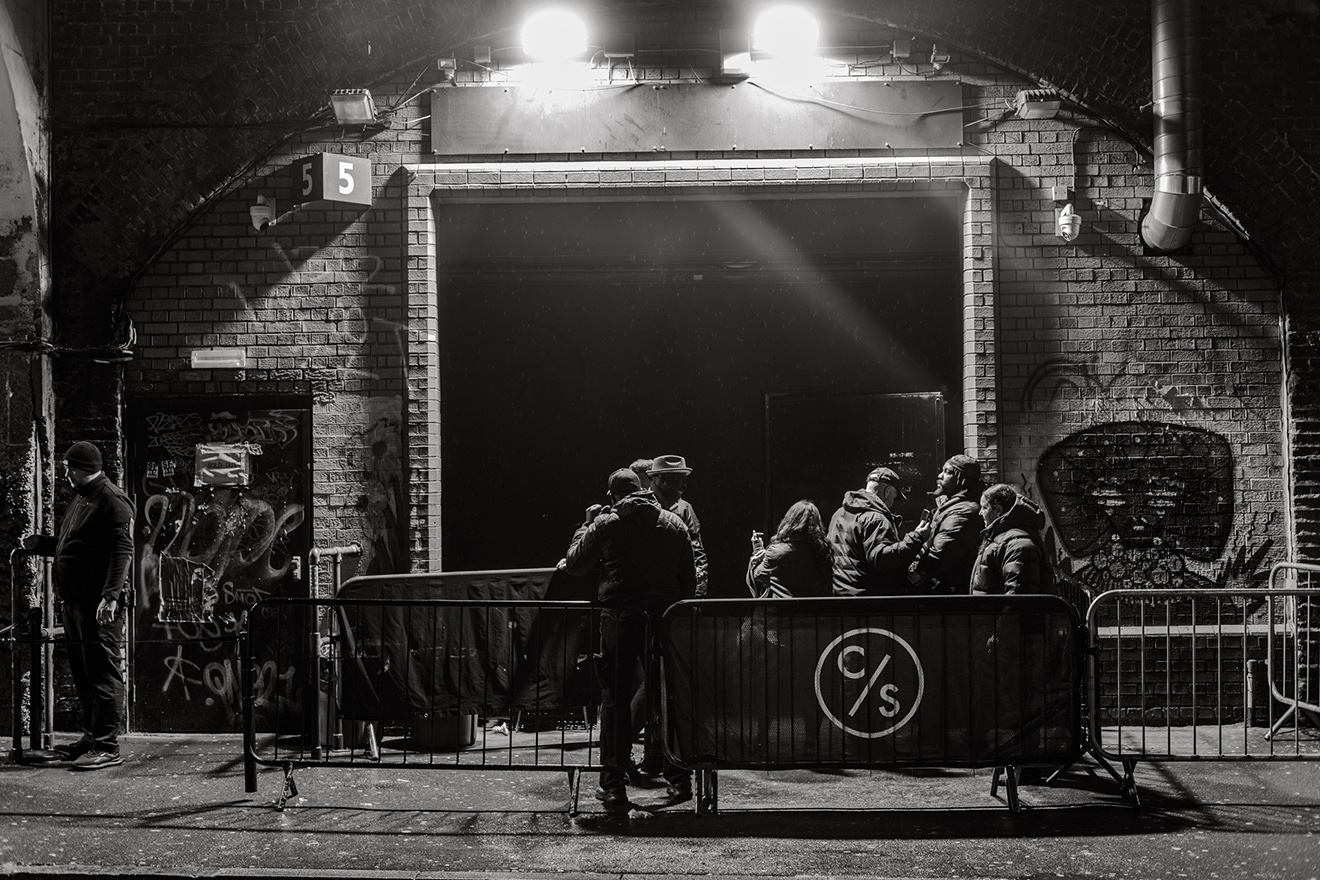
Nestled in an unsuspecting railway underpass in Elephant and Castle, the mighty Corsica Studios stood largely unchanged for more than two decades. Founded by Adrian Jones and the late Amanda Moss in 2002, the venue evolved from a DIY arts space into one of London’s most vital underground institutions.
For those of us who came of age clubbing in London in the 2010s, Corsica was part of our descent into adulthood. Alongside many of the iconic clubs of the time - with Cable and Dance Tunnel, which shuttered in 2013 and 2016 respectively, as my other personal favourites - the dancefloor was where we found ourselves amidst the rapidly changing city. It was our only constant.
Hazy as some of my memories may be, there was never a bad night. Standouts from the past 16 years vary across everything from instrumental grime night Boxed to THEM v MORD’s slamming techno, futuristic club offerings from Night Slugs to live computer coding event Algorave. It’s this kind of programming that pushes the scene forward.
“The curation has always been based on doing good, interesting things, not purely to get as many people through the door as possible,” explains Corsica’s Head of Music Matt Wickings, who adds that the venue always aimed to: “Ensure there is a platform for parties that perhaps wouldn’t find a home elsewhere, and with a wide variety of genres and voices.” He names Jeff Mills playing in Room 1 in 2012 as a highlight for many (“Release the tapes!”), but with too many to mention over the years, references the full run of shows in the closing three months as highly memorable. “All pretty much blew my mind.” If you were at any of the closing parties, you’ll know precisely what he’s referring to. The energy reminded me of a pre-2016 innocence, where things were more affordable and clubbing was less under attack by our governments.

As a journalist, getting quotes from people can be a lengthy affair. We’re all short of time, tired and exhausted from the relentless grind of capitalism. But, when it came to this piece, and Corsica Studios, people’s eyes lit up and the responses came through quicker than ever. All with the same passion and love for the space that it gave us in return. It’s a special one, is Corsica.
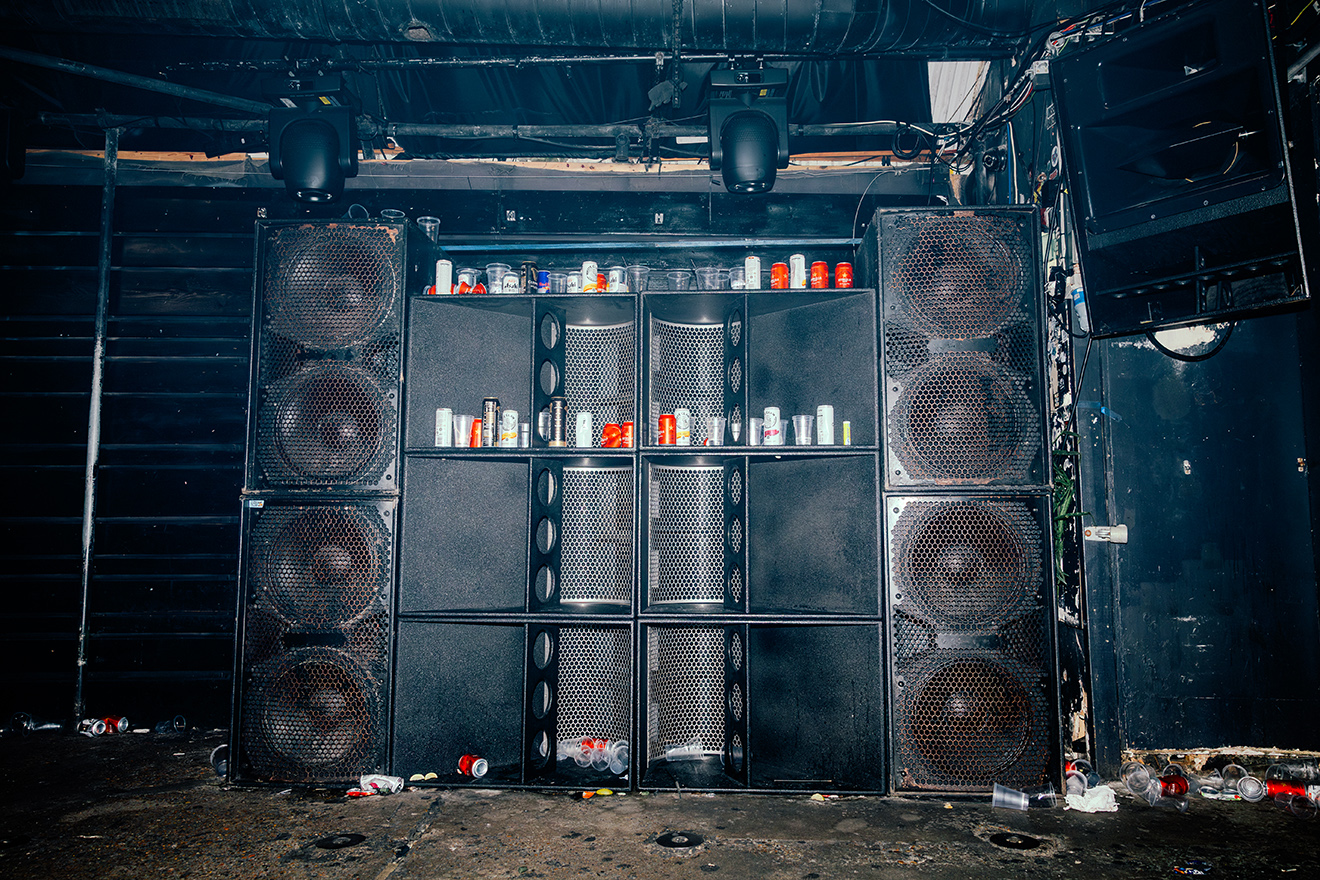
It’s hard to explain to people who haven’t been. It’s more than just a stellar soundsystem that when you stand too close, an invisible hand reaches from the monitor and grabs you, so you’re front left for the entire night. Or programming that has you there from Friday night ‘til Monday morning. And if clubbing isn’t your thing, there are gigs, workshops, educational talks, art installations. A multipurpose space for every type of Londoner.
We rarely think about the club outside of partying but it also cultivates the next generation of artists and industry workers. Relaying what we’re all thinking, during Corsica’s closing week, I attended CDR's last talk with founder Tony Nwachukwu. If you’re not familiar, CDR (Create. Define. Release.) is a community music initiative, platform and label, with educational talks hosting everyone from Peach to Jeremy Sylvester to Midland. “CDR sessions are a unique experience. Matt and the Corsica team understood our vision and programming from day one, supporting us throughout our tenure,” says Tony, speaking on the club’s impact on CDR’s growth. “Corsica has been an institution for London's electronic music nightlife and communities, embodying an ethos much needed today.”

And now, like so many of the spaces that shaped us, it’s come to an end. After more than two decades at the heart of London’s underground, Corsica has closed its doors — another casualty of a city that no longer seems to have room for the culture it once thrived on. For those who found something within those walls, it was never just a venue.
The last party I attended was the mighty Hyperdub on the Thursday night of closing week in March. Headed up by label founder Kode9, we found ourselves reminiscing about their midweek Ø parties - an experimental audio-visual evening series co-curated with Shannen SP. Calling it an evening doesn’t do it justice. South African rapper Dope Saint Jude’s inaugural London performance was hosted there. Other bills had Arca, Klein, a surprise DJ set from Björk, and an installation by the late Mark Fisher and Justin Barton. I could go on and on. It gave a space to the fringes of electronic music, while providing room for visual experimentation. Sadly, the last Ø party was in 2020 just before everything shut down.
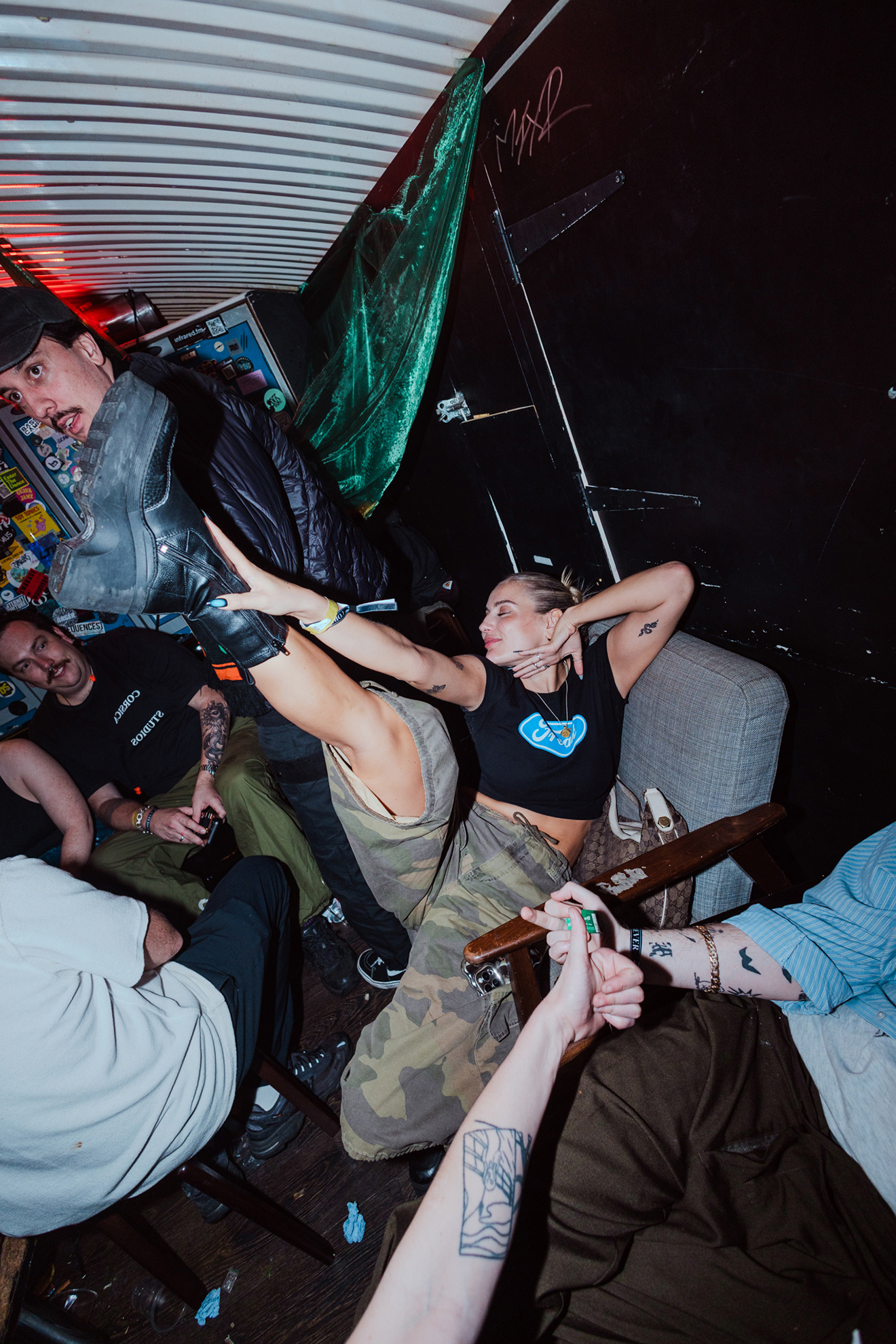
Speaking fondly of Corsica’s infamous green room, Kode9 remarks that it had become his living room, sometimes spending more time there and touring than his own home. It became part of the fabric of many DJ’s careers. Its early days were pivotal for the emergence of dubstep. Pearson Sound reminisces of a similar feeling, playing homage to nights that helped shape the sound and era, including “Platform One, Trouble Vision, Make Me, Small Talk…”. The list was endless. Although Hessle Audio never collectively did a party, each of the trio played there consistently from its early days. What is remarkable about the club is how DJs went there on their ‘days off’. “I was going as a punter a lot,” Pearson Sound tells me. “I always enjoyed the Peach Discs and Hyperdub nights!”.
Another staple of Corsica is DJ, producer, A&R and longtime NTS radio host Raji Rags, whose connection to the space runs deep. “Corsica will hold a special place in my heart,” he says, reflecting on years spent both behind the decks and on the dancefloor. “It does what so many clubs fail to realise - when the formula is so simple. Small dark room, banging soundsystem. That’s it.” Beyond the basics, it was a space that enabled artists to grow. “Corsica gave artists a place to experiment,” he adds, recalling everything from early Boiler Room broadcasts to hosting CDR talks, residencies, and even the premiere of his own film work. For Raji, some of the most important moments came through the community it assembled: “I’d never seen so many Brown people in that club before,” he says of an early Daytimers takeover. “It was packed.” And while the closure marks the end of an era, he reflects on the send-off with gratitude. “To have a closing season where we could properly say goodbye was very nice - a beautiful way to end a very special place.” He reiterates founder Adrian’s words from the closing party, “we shouldn’t have made it this far.”
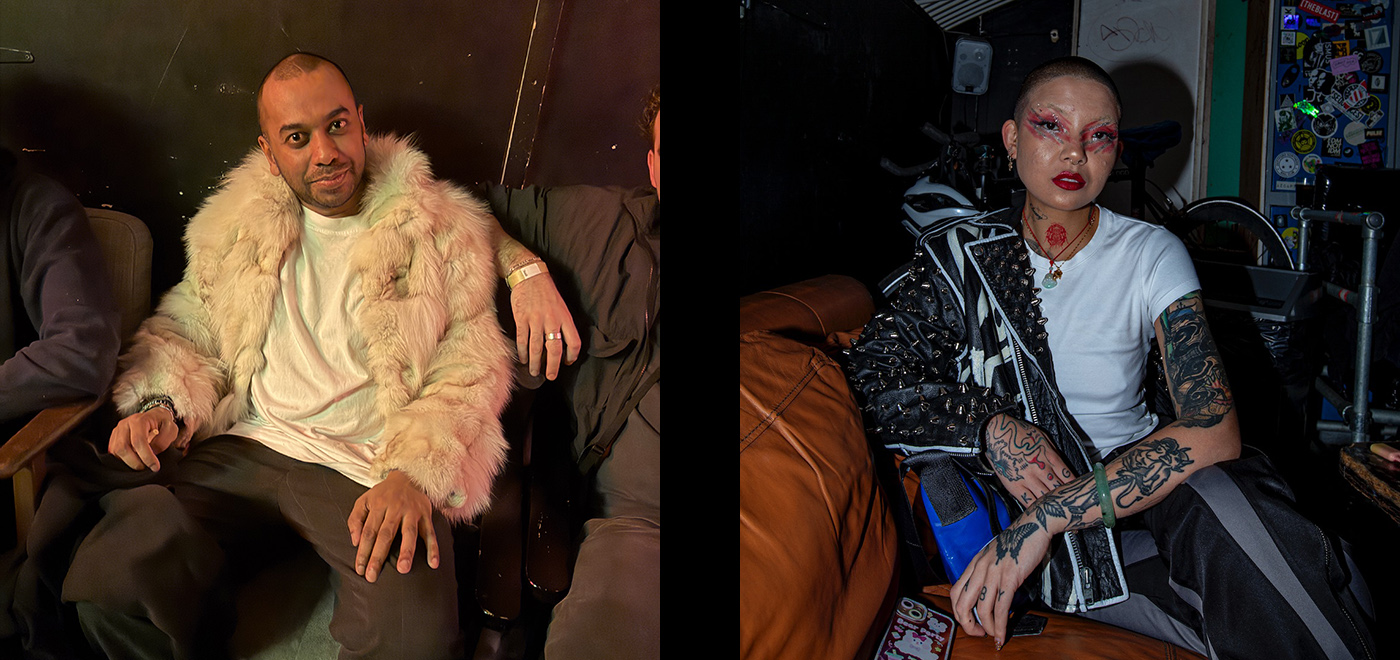
Corsica’s vision was to include everyone. For DJ and photographer Jex Wang, formerly part of Eastern Margins, a collective championing alternative East and South-East Asian culture, that openness defined her experience of the space. “I still remember when I first moved to London and went to an NTS showcase at Corsica — I hadn’t really seen live music like that before and felt so excited to be living in a city with so much variety,” they say. Over the years, that sense of discovery only deepened. “I saw some of my favourite DJs and nights dedicated to genres I didn’t really have access to in Melbourne.” Her relationship with the venue evolved alongside her journey in music. “From being a punter, to a promoter, to DJing, Corsica will always have a place in my heart,” they reflect, recalling everything from Eastern Margins’ Lunar New Year celebrations to the friendships formed in the smoking area. “I’ll miss DJing in Room 2.”

But it’s not just DJs, promoters and clubgoers that make Corsica what it is. It’s the unsung heroes of nightlife - the staff - who feel its loss just as deeply. Security guard Jams has been a core member of the team, working at the club on and off for over 15 years, and became visibly emotional reflecting on its closure. For him, Corsica has always been about people. “It attracts all sorts,” he says, describing it as a space where people come to socialise, to be free, to enjoy themselves — something that feels increasingly vital in the world as it is now. “It’s part of the culture… it will be missed,” he adds, before offering a line that lingers: “you grow with the club - a good thing can never die.” It’s a sentiment many share.
That sense of refuge extends beyond London. Renata, a former nightlife worker from Lebanon, describes Corsica as an entry point into “this magic world” — a place to disconnect, if only for a few hours, from everything happening back home. And across its final weeks, clubgoers travelled from all over the country and further afield to say goodbye.

During Hyperdub’s final night, David, who had travelled in from Watford for occasion, names Loraine James’ opening set in all its glitchy goodness as his highlight. then suddenly pivots to Cooly G, then lists every set of the night as his favourite. That’s a trend as people try and fail to narrow down their favourite Corsica moments, with most just shouting “EVERY SINGLE NIGHT HAS BEEN SICK!”.
And I agree. Cooly G played across the UK funky spectrum with a seductive soul start into relentless rollers, showing us why she’s been a mainstay of the label since ‘Narst’, now considered a classic, dropped in 2009. Ikonika had the entire crowd transfixed, showing their mastery behind the decks, blending gqom, club and UK techno so slickly. No one left the dancefloor for a good hour. Another standout moment came from Lee Gamble dropping One Bok’s ‘When I Start’ into floating rap edits. So many Tears In The Club moments there. Jessy Lanza opening with NA DJ’s ‘ooh you make me’. Plus the global club tracks of Lawrence Lek, Tim Reaper B2B Kode 9 and hearing JME’s ‘Man Don’t Care’ smashed into crazy jungle. It was one of those “come early, stay late” type of affairs, because you just didn’t want to miss a thing.

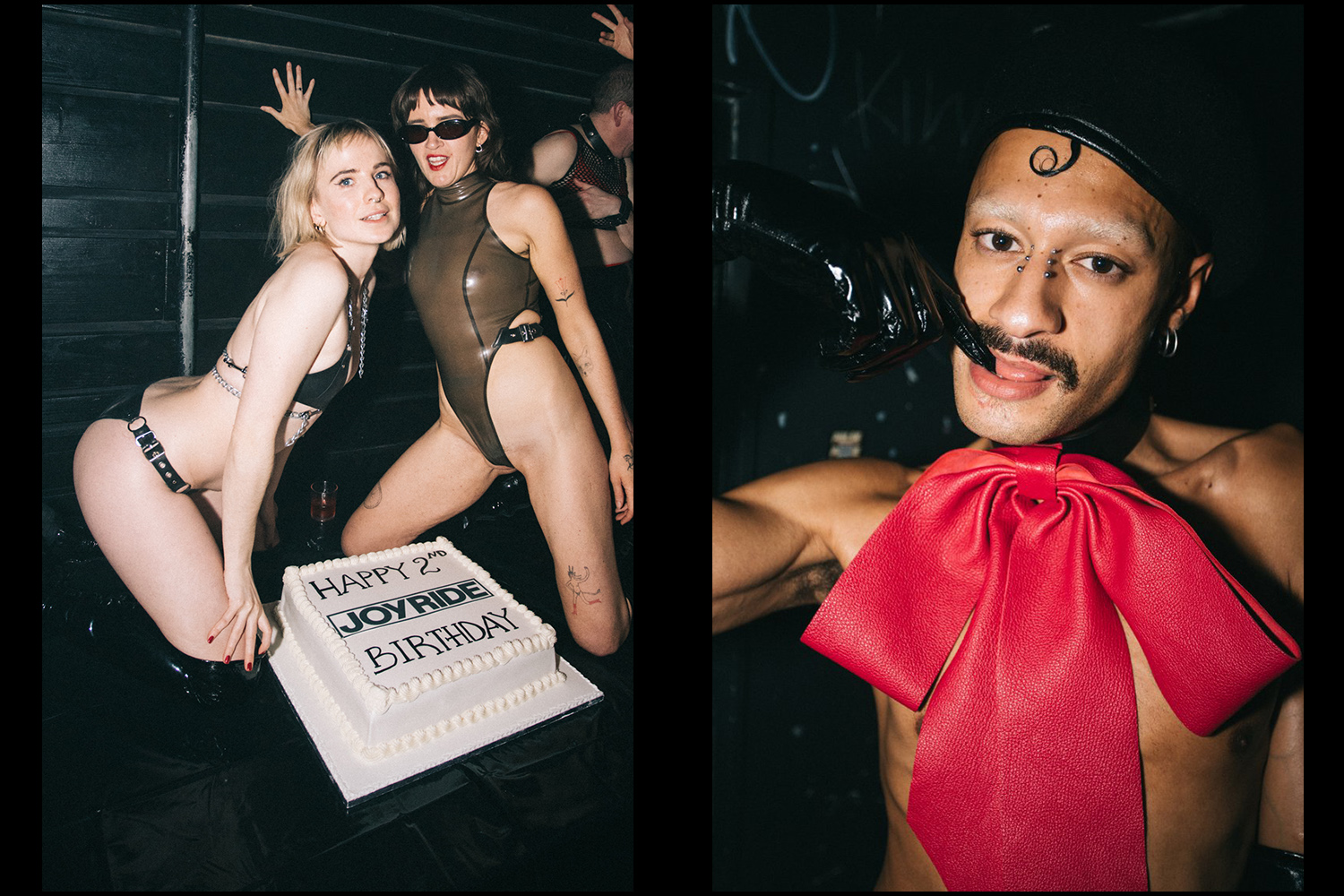
Few parties embodied Corsica’s openness quite like Joyride, a space built for queer expression, connection and release. For founders MJ and Lydia, the relationship with the venue was foundational. “Corsica has been fundamental to everything we do at Joyride,” MJ explains. “They gave us the freedom and trust to build a party pushing the boundaries of what’s possible.” With a bi-monthly residency, that freedom became something deeper. “We’ve had so much opportunity to cultivate this really cemented community,” she adds. Lydia describes the relationship as “pure synergy - the party is what it is today because of Corsica,” pointing to a team that “cares so deeply about what they do” while still encouraging them to “go wild.”
That support started from the very beginning. “We were enthusiastic sex-party people, not professional promoters,” MJ recalls. “Adrian and Alice [Hoffman-Fuller, art director and head of operations] were the ones who said, ‘if you want to start something else, let’s talk.’ They backed us with mentorship, belief — even a loan. I cannot overstate the significance of what they did.” Over time, that openness allowed Joyride to grow into a permanent fixture. “It’s really groundbreaking how they welcomed our community,” she continues. “It’s not a queer venue but one with such a long history of embracing subcultures.”
Those values translated directly onto the dancefloor. Lydia points to residents Claude Knight and Noah Priddle, whose sets capture the party’s essence: “embodied, sexy, uplifting… tipping tequila, whining, loving every minute of it.” And like so many nights at Corsica, the memories blur into something bigger than any one moment. “My top booth memory is a romantic one,” MJ says, recalling an Easter Sunday proposal where “the ring came out of a jock-strap” and “the club erupted.” Moments like that, she adds, are what made Joyride what it is: “I’ve just felt in awe of our universe.”
Planet People is another club night that found its footing within Corsica’s walls. For founders Reuben and Callum, the relationship is full circle. “We’re both Londoners and our early, most formative clubbing experiences were at Corsica,” they explain. “So it feels surreal and special to have hosted parties there years later.” That shift from punter to promoter was made possible by early belief from the team. “Matt and the team took a big chance on us when we were still green… we wouldn’t have established ourselves as promoters without that support.”
That trust translated into creative freedom. “The venue gave us heaps of freedom when it came to programming and format,” they say, recalling moments where risk was not just allowed but encouraged — from booking Squid for a peak-time live electronics jam to transforming the green room into a hidden installation space with Studio 84. “The team didn’t bat an eyelid,” they add, describing a level of support that made even the most ambitious ideas feel possible.
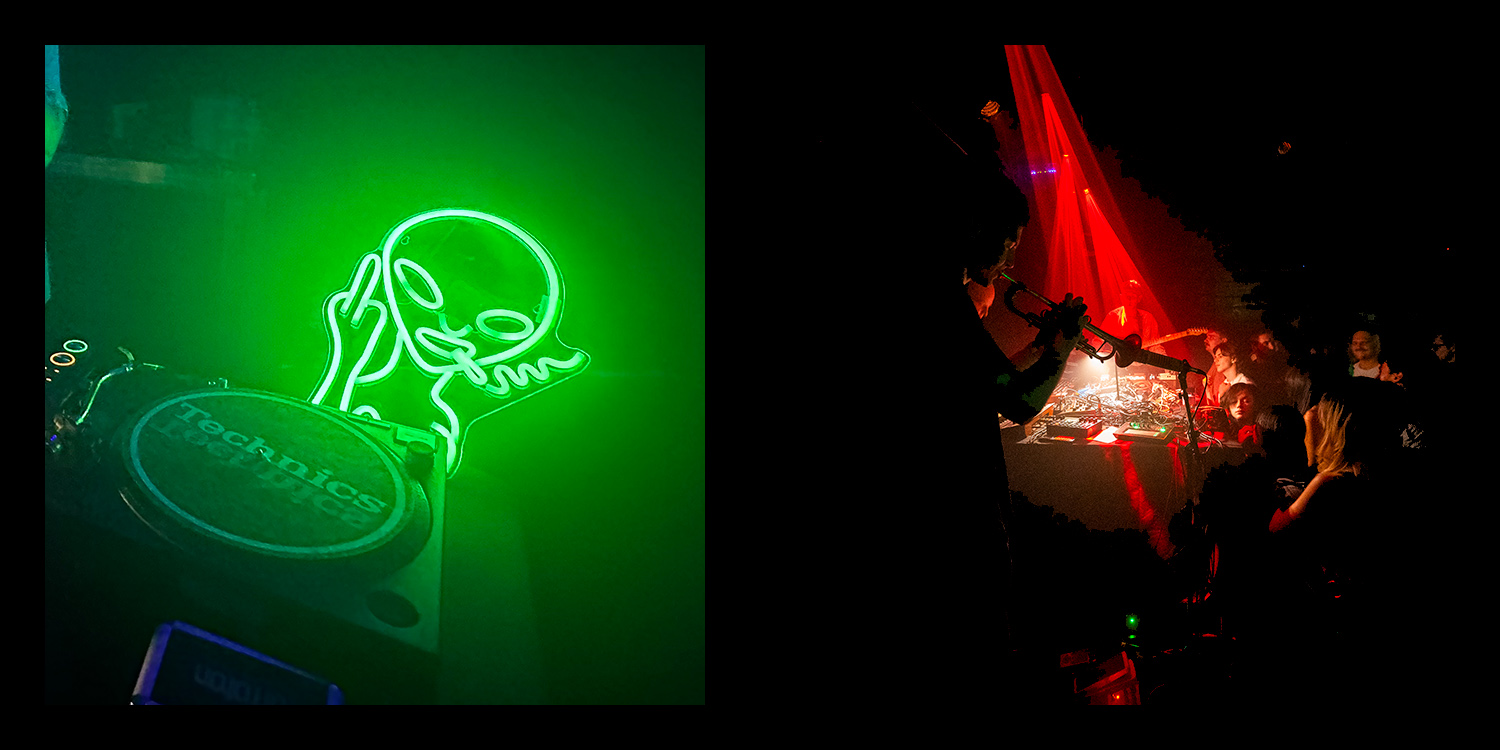
For them, Corsica’s magic was always in how it held different worlds at once. “For our first party we had the Príncipe Discos crew in one room and Riz La Teef with Warrior Queen in the other,” they recall. “It was a gamble, but both rooms were packed.” That duality — global and local, experimental and rooted — is what made it special. “It’s a hub for cutting-edge, international dance music, but also an integral part of London’s musical DNA… a club of global importance that still feels like home.”

For Mia Koden, Corsica marks a formative chapter in her relationship with London’s dancefloors. “When I first came to London, it was truly foundational for me,” she reflects, recalling a time when club nights like Church, run by Seb Wildblood and Apes, created lifelong memories with their “white label” parties, giving DJs free reign behind the decks. This anything-goes attitude towards mixing began to reshape her musical palette. “Regular Thursdays partly rewired my dubstep-heavy tastes into something deeper,” she notes, listing sets from the likes of Ifan Dafydd, early Disclosure and Eliphino at Church as influential in exposing crowds to genres across the bass spectrum, unknowingly influencing the careers of many today. Those early years were defined as much by movement through the city as the music itself. “I’d pop down from my uni accom in central to re:ni’s halls in New Cross as it was an easy bus route in,” she says. “We have so many blurry memories there,” she adds, namechecking Eglo and Deep Medi dances as other standouts.
Corsica, for her, is inseparable from a particular moment in London’s history. “When I first started going, the Heygate Estate was still up - eerily so,” she says, situating the club within a city in flux. As other spaces like Cable and Dance Tunnel fell away, Corsica endured. “It will always trigger memories of that different era of London, both sonically and socially… and somehow, it pulled through.”
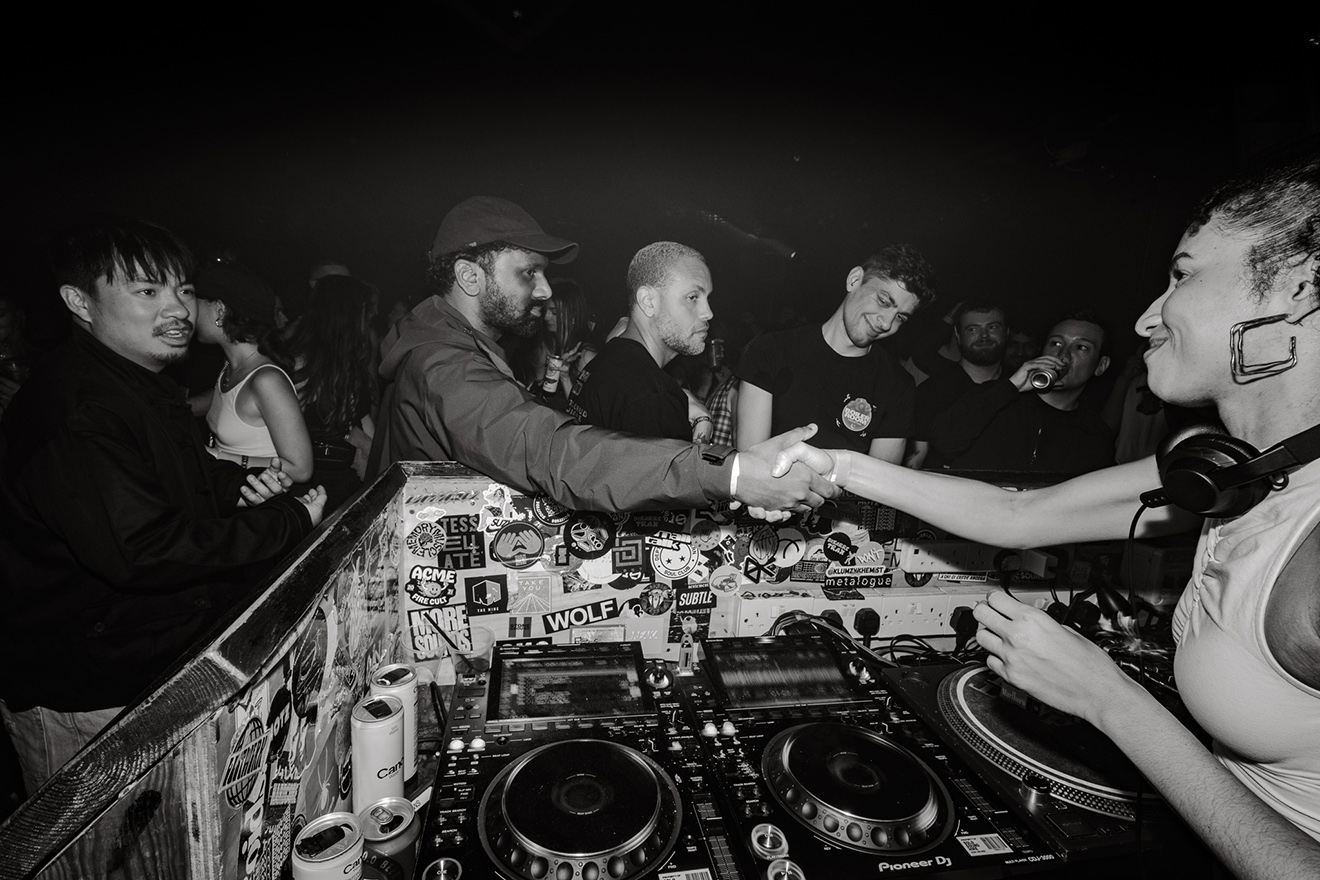
Club Fitness has a similar story of being shaped by the club. “I’ll always remember my first time visiting… I would have never imagined how important the club would become to me and my journey in music.” What began as a pilgrimage quickly turned into something deeper. From closing Room 1 after Eris Drew and OK Williams to later becoming a resident with Small Talk. “It felt like a full-circle moment,” she reflects. Corsica became a space not just for performance but for creation. “In the green room is where basic chanel and I hatched the idea for [F1-inspired mix series] G-FORCE,” she adds of the kind of unpredictable, only-in-Corsica moments. “I also remember opening Room 1 for Two Shell but it wasn’t actually Two Shell… during the changeover, a friend revealed she was playing with a mate and that Two Shell was somewhere else in the club.”
Another artist shaped by Corsica’s dancefloors is DJ Winggold, who points to the rare balance the venue struck. “Corsica Studios is one of those rare spaces that not only has an adventurous, forward-thinking mindset, community spirit and a following of dedicated ravers who actually dance, but also impeccable sound,” he says, highlighting Room 2 as “one of the best-sounding rooms in all of London.” Like many, his relationship with the club spans both sides of the booth. “I’ve had far too many beautiful memories there,” he reflects, from Hyperdub Ø parties to playing both rooms, as well as countless hours spent as a regular on the dancefloor. For him, it was also a space of learning. “Playing on those soundsystems was an education - seeing how crowds react to sound.” Some moments remain etched deeper than others. “Aside from the Hyperdub closing party, which was genuinely transcendental, seeing Anthony Linell in Room 2… that’s what made me fall in love with techno on a deeper level and shaped how I approach my practice.”

For some, “Corsica is the club - the blueprint.” Others speak in specifics: “Room 2 is the best place to club in London,” is a widely expressed opinion. For Gabe, 24, from East London, it was about connection — a space that brought people together through shared sound, revealing a dance music community “wider and stronger” than he’d imagined. That’s the magic of the space. You can develop yourself into an artist, form lifelong friendships, fall in love, fall out of love, then fall in love again but this time, with a new genre. You dance away the pain, raise your hands up in the air at 5:AM with your friends, shout “F off”, politely, at a banger. I always thought I would be proposed to in the smoking area. Hearing Corsica was closing was the first time I really comprehended that I’m an adult now. I always see myself as that bright-eyed teenager who sat on the 47 across London, free Oyster card in hand, queuing up in the rain. But as sad as it is, the memories will indeed, last forever.
“Visiting or playing Corsica always felt like coming home,” reflects Club Fitness. Having returned one last time, the goodbye felt significant. “I’m so glad I got to play in my favourite room… and say goodbye to the club that has shaped me so much.” Like so many others, she’s left with a sense of absence that’s hard to place. “It will be difficult to imagine London without it.”
Yewande Adeniran is writer, DJ, academic, and multidisciplinary artist, follow them on Instagram


