
 Features
"It's frozen in time at its peak": The End co-founder Layo Paskin on the club's everlasting legacy
As The End prepares to celebrate its 30th anniversary, Layo Paskin explains why the spirit of the legendary venue can still be felt within London's club scene
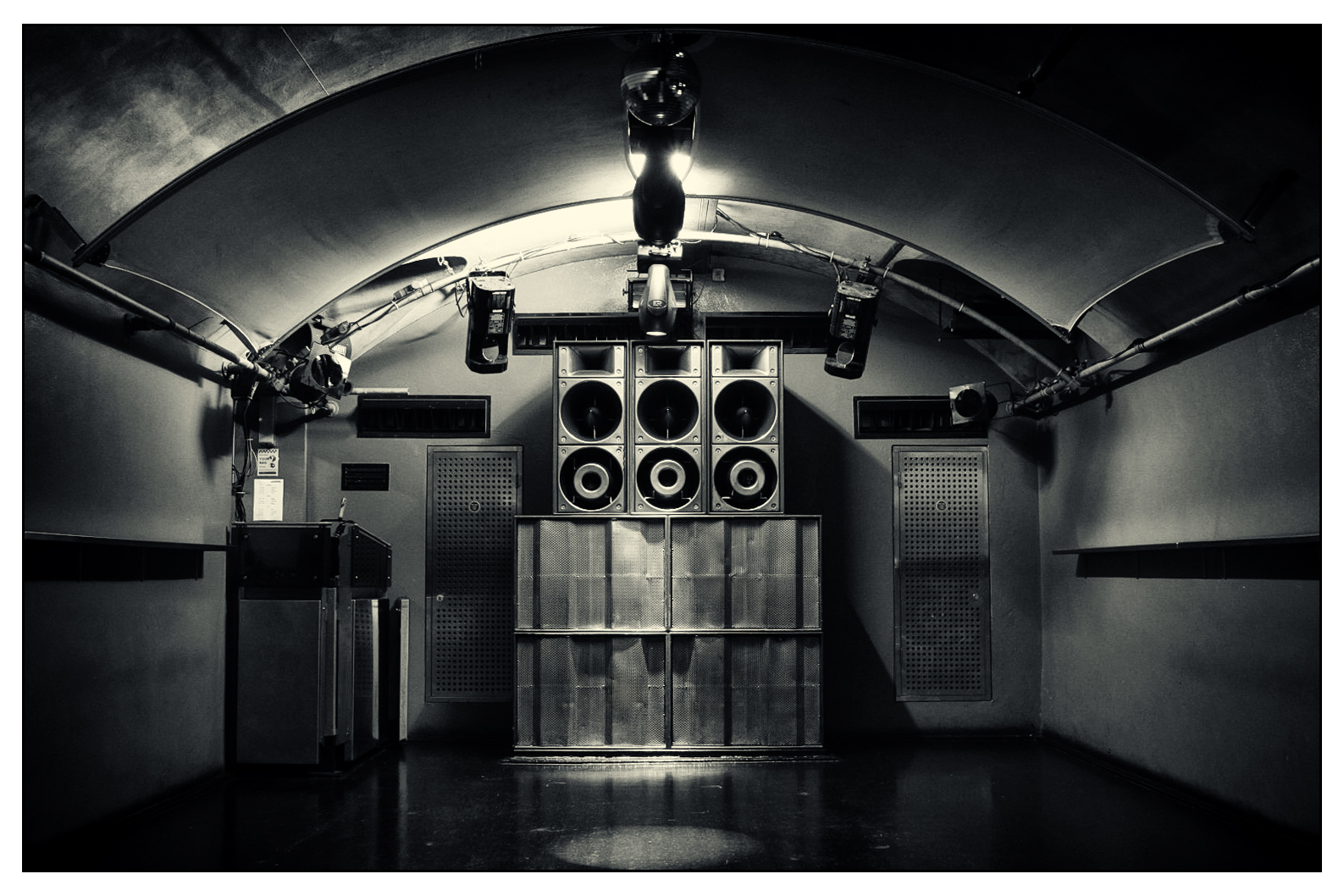
The lasting impact of what is possibly one of London's most beloved long-lost nightclubs can still be felt across the city. The End laid the groundwork for venues like fabric in offering genre-specific nights over the weekend, cementing Central London as a party destination that has rarely been witnessed since. Though, that legacy can felt in a much more symbolic sense too, from its focus on high-quality sound, to its committed fans and infamous queues.
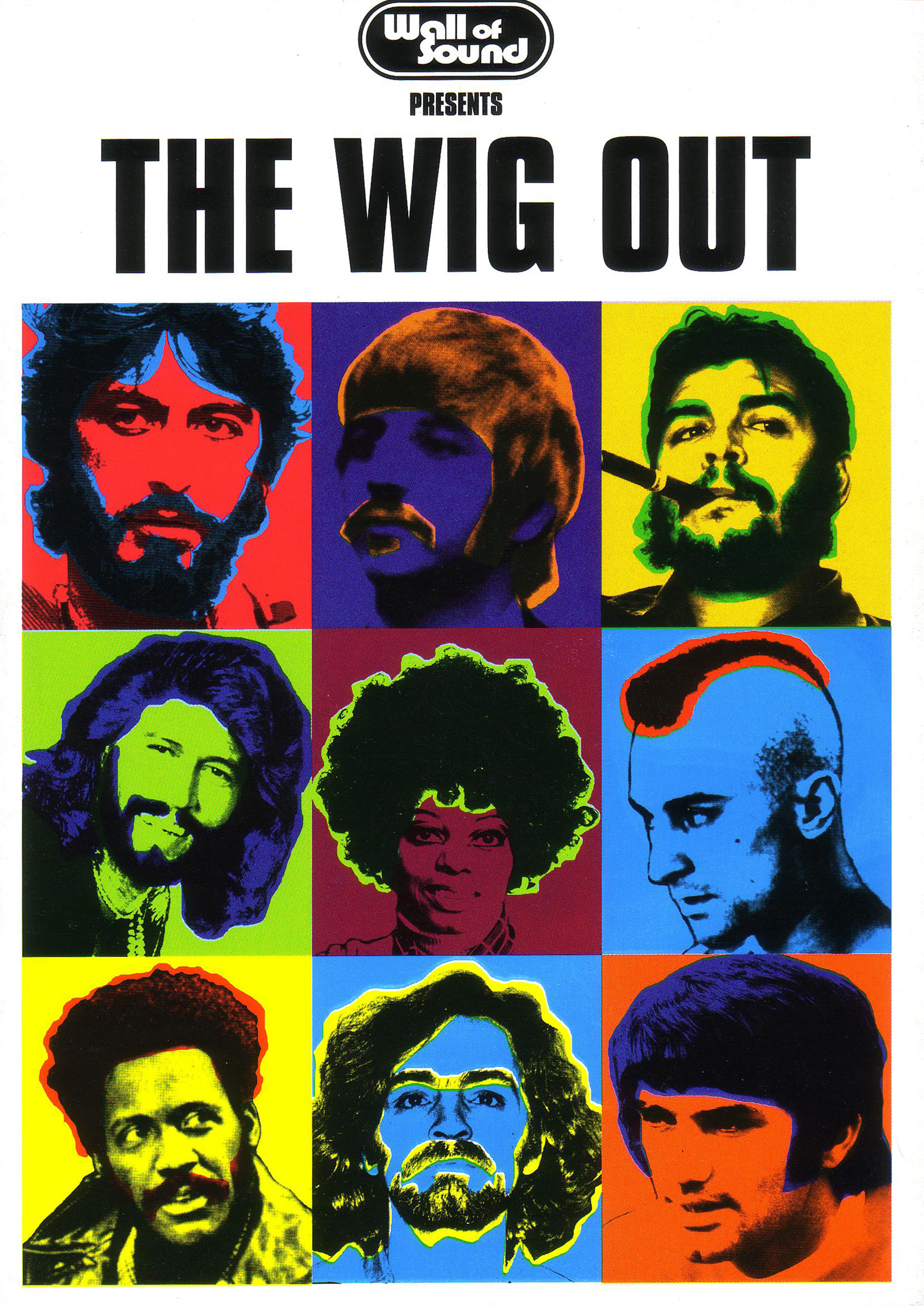
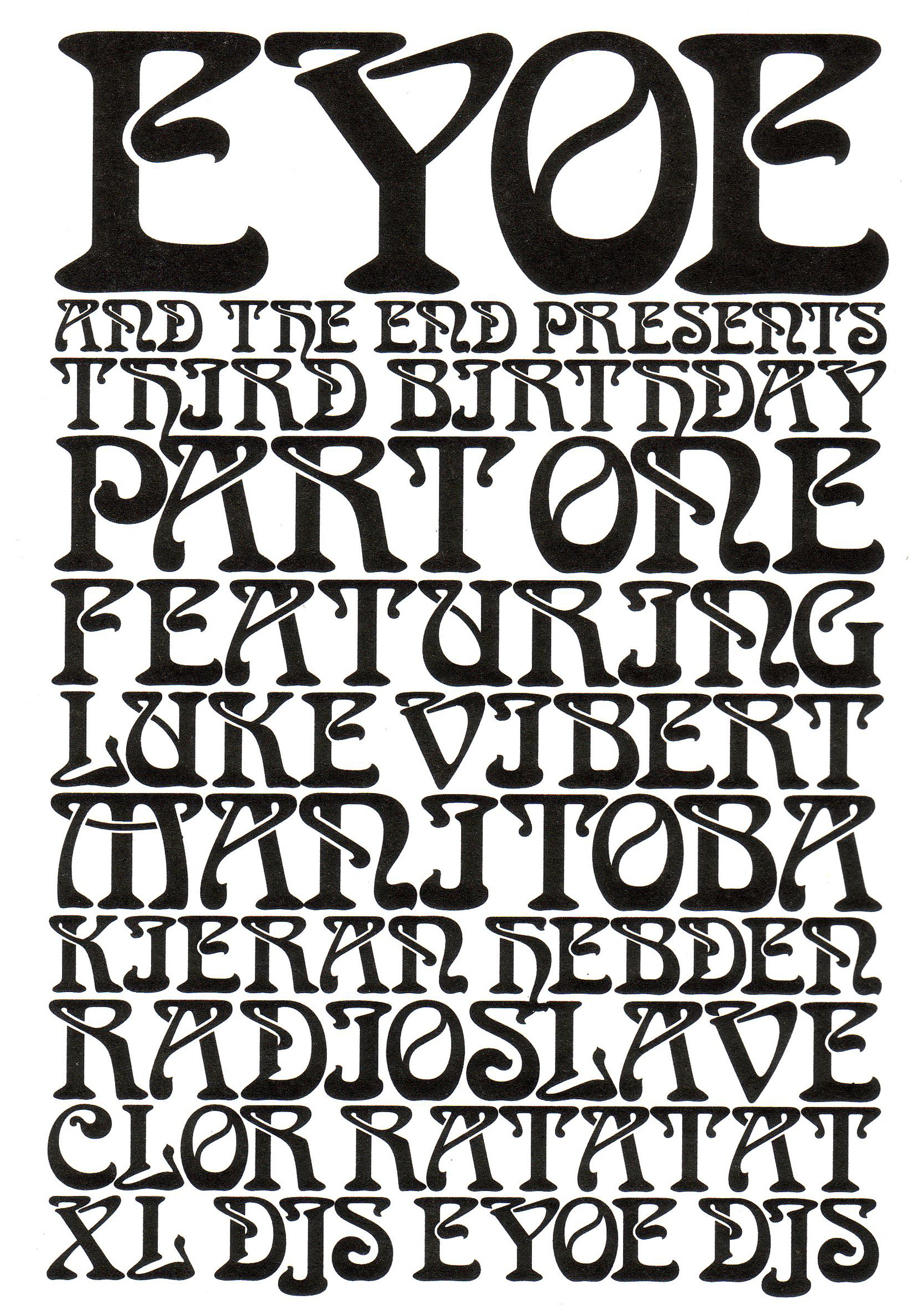
Founded by Mr C (AKA Richard West) and Layo Paskin (one half of Layo & Bushwaka!) in 1995, The End gained a reputation as the favoured haunt of the city's most discerning electronic palettes, and a celebrity clientele to boot. It counted Fatboy Slim, Erol Alkan and Roni Size as residents – while everyone from Laurent Garnier to LCD Soundsystem appeared on its bill over time.
Read this next: Legendary London nightclub The End to “return” for one weekend this October
Nearly 17 years since it closed its doors for the last time, The End will return for one weekend only with a takeover at Camden's KOKO this month to mark 30 years since it first opened. In true The End fashion, the legendary club returns with a techno special from Richie Hawtin on Friday (October 10), a house-focused offering on Saturday (October 11) featuring Danny Tenaglia, and an all-out drum 'n' bass knees-up on Sunday featuring Layo & Bushwacka!.
Ahead of its return, we caught up with co-founder Layo Paskin to discuss the lasting legacy of The End, changes in London's clubbing landscape, and the parallels between the return of The End and Oasis' reunion.
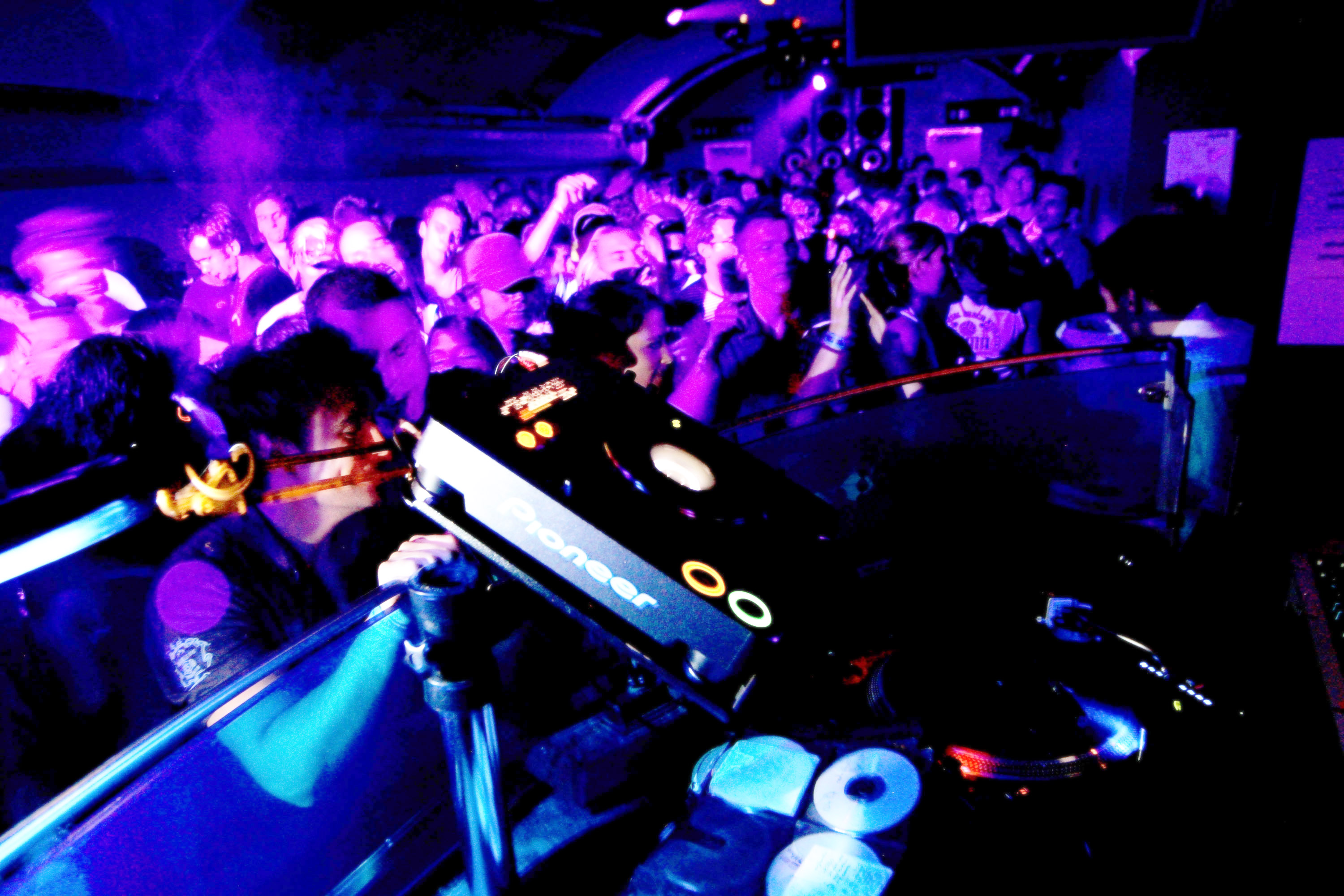
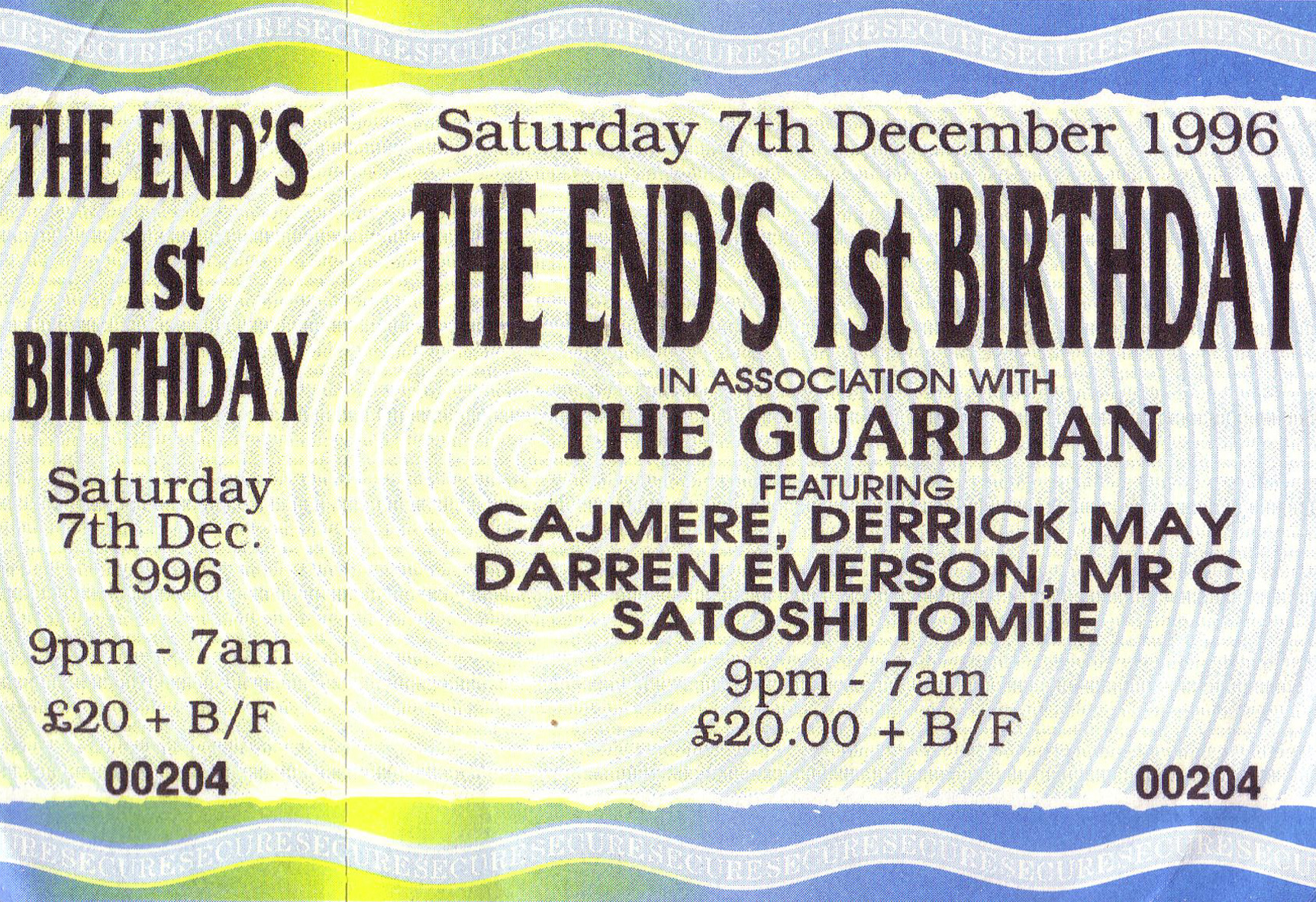
How does it feel to be bringing The End back for this run of three shows?
I think to be honest the biggest shock is that it’s been 30 years since we opened it [laughs]. Look, it’s been really nice to put the party back together - you obviously can’t fully relive a club - but we’ve done special events to cover 20 years, 25 years and now 30. This will probably be the last one. But it’s nice to reconvene with DJs who were part of the club and play with them again… it’s nostalgia, but in a lovely way.
Do you think it’s a testament to the lasting legacy of the The End that there is still that appetite to engage with it and remember it — like you said, nostalgia in a good way, right?
I think because we sold the club ahead of when we would have liked to — because it was a very good offer — The End was at its height. It’s frozen in time, in a really good way — there was never a bad period, it was just always great. It gives it that immortality, for people who went and have those memories. Clubbing is a part of people’s lives from being teenagers until being 40 or whatever, so for the people who were going then, this gives them a chance to relive it.
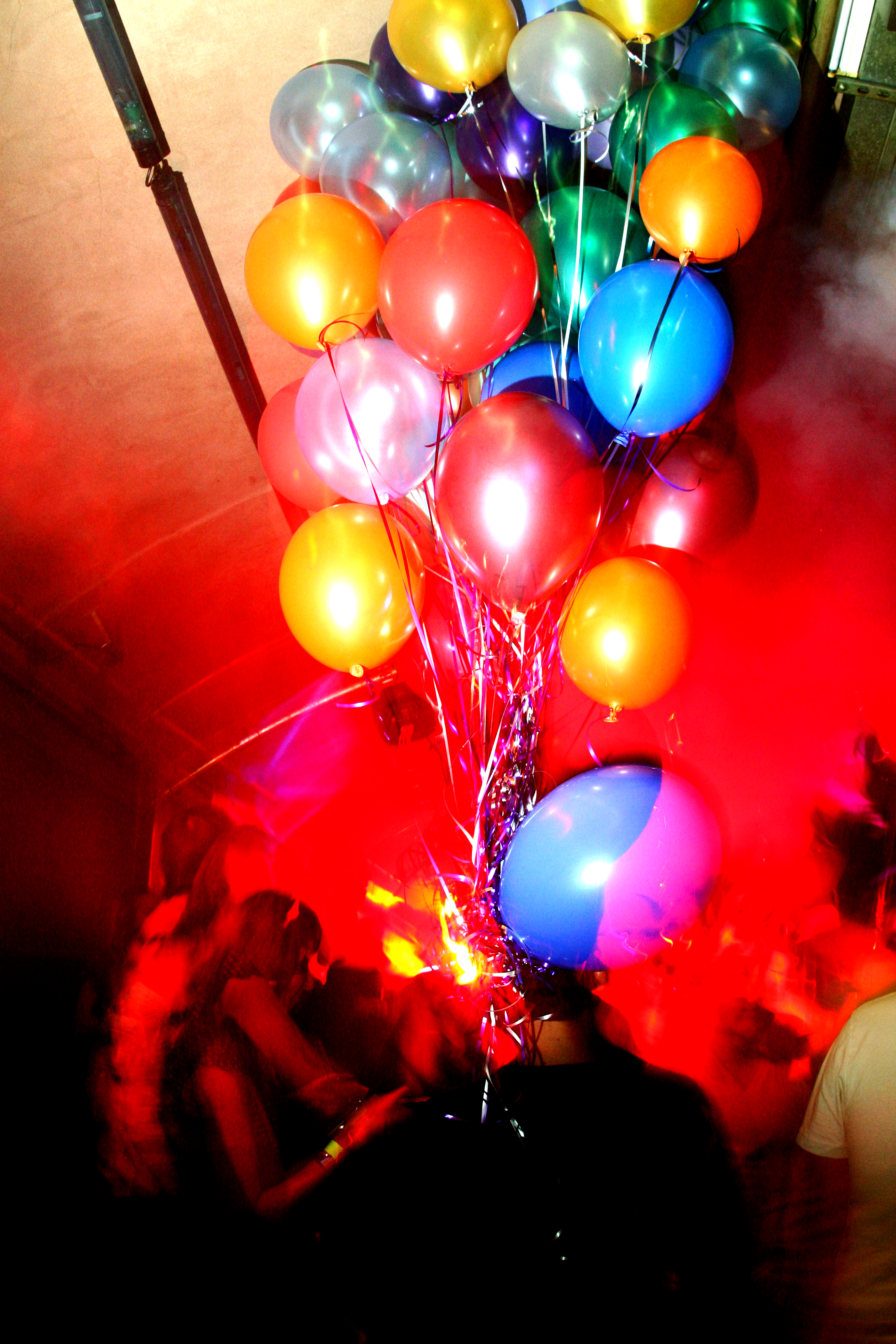
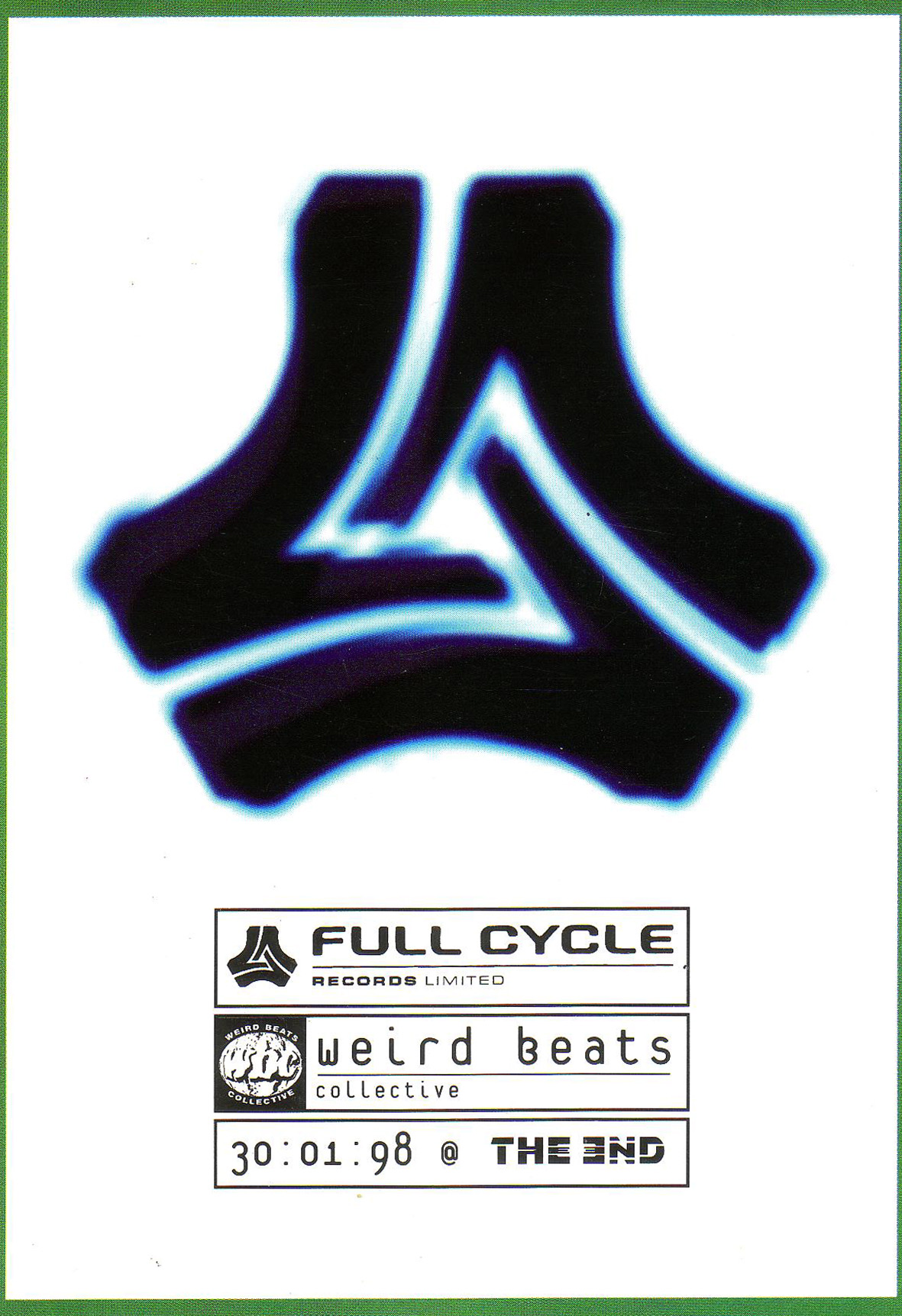
So it’s never going to be The End, but how do you bring the energy from the club into these parties?
I think it’s two things. Firstly, everyone is going to Oasis concerts at the minute, and it’s going with the excitement that they’ve reformed, they're going to play all the hits. So everyone arrives with that energy and Oasis perform, and it’s already going to be amazing — there’s that dialogue, you know? With The End, it’s the same thing. The excitement is in the room and the DJs respond to that. For the DJs too, some of them are massive and still performing everywhere and others maybe less — but for the people who were at The End, it means so much.
When did the process start in planning these shows?
I think because we did the 20th and 25th, we knew we’d do a 30th. Then it was just a question of, where would we do it? We had the idea at one point of doing a really big party, then, because we’re all doing different things, it felt like a huge responsibility to put together. The other parties sold out so fast, so we thought, well, if we do it for three nights with slightly different music on each night, it’s enough variety and flavour and more people get to experience it to their particular tastes.
What has the reaction been for you guys? Have you been shocked at the reception to the 30th birthday parties?
Look, we don’t overplay it. We’re kind of like, 'here we are again', because of the [past parties]. I mean, you always go in hopeful right, you hope that it’s going to connect well.
You have mentioned that you are expecting some of the crowd to be people who went to The End back in the day - what do you hope these parties deliver for them? But also for people who never got the chance to experience it?
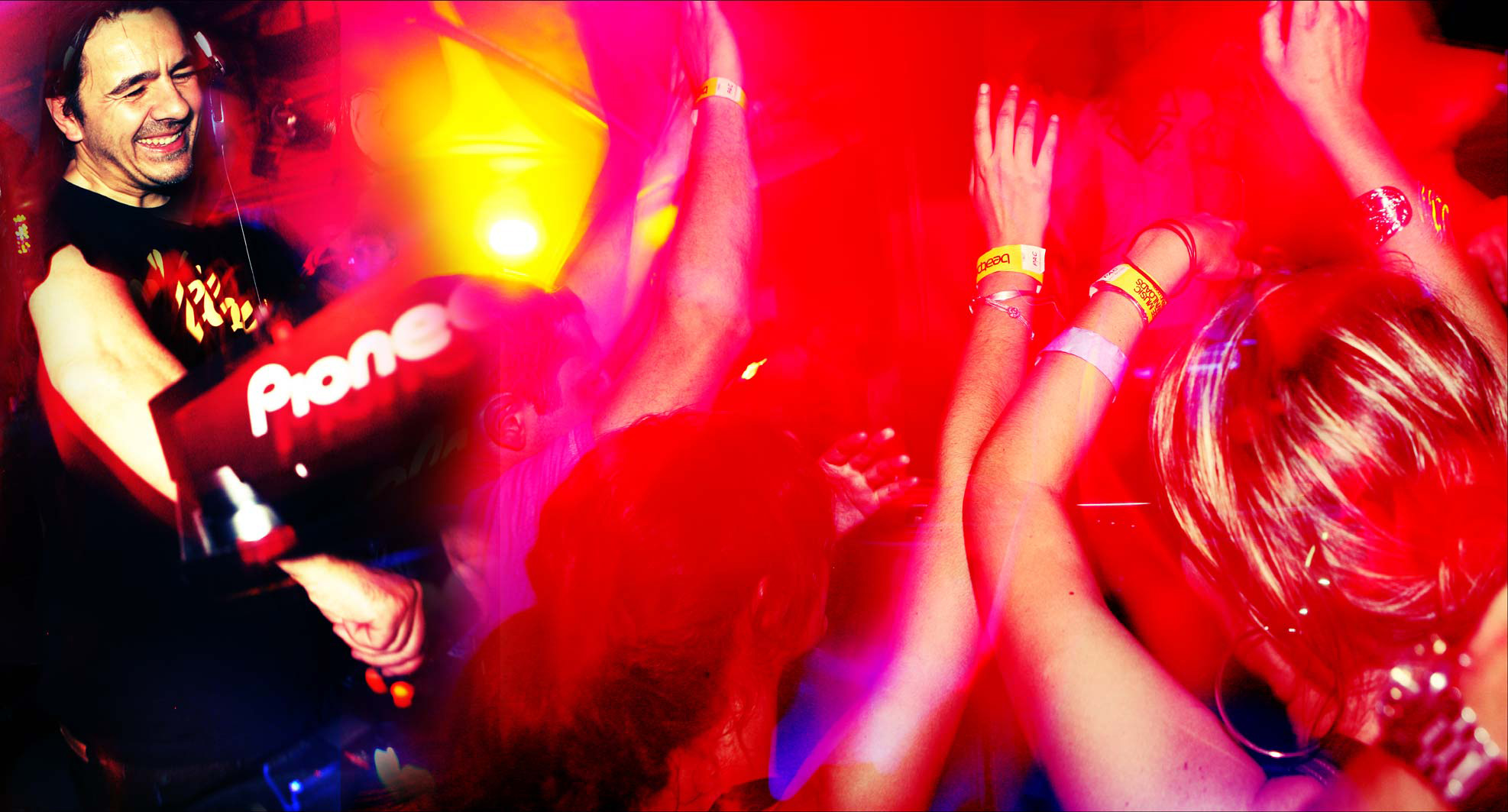
In simple terms, I hope for the people who used to go, it’s a nice trip down memory lane and an exciting new memory. Then for people who never went, I hope they feel that energy, and, at least, it’s a very good club night. The best, I hope it gives them a glimpse into the past.
You’ve said you feel The End being frozen in time, but do you think there is a legacy from the club that can be felt within today’s club circuit?
I wouldn’t say I come at it with total expertise any more, things have really changed – you could see that change even during the days of The End. DJs became bigger, events became bigger, clubs became more commercialised. What people call underground now, I would have called commercial then. I don’t mean that in a derogatory way, I just think things have moved on — people want immediacy, they want impact. So I think it’s difficult for clubs, in the way we had with The End, loads of small nights. If you’re a very big DJ, you probably don’t play loads of clubs that are only 1200 people, you probably do bigger events – you might do a few that are that size, maybe smaller.
I think the closest thing I’ve seen to it in London, that has the spirit in the couple of times I’ve been there, is FOLD. It’s got this thing, it’s the way The End used to feel. FOLD obviously is different in that it’s a journey out there, because The End was so central people could rock up any night and know something good was going on. Now, I guess that isn’t that easy, the culture has shifted. It’s not better or worse, it’s just changed.
Do you think The End could exist now? If it was established in 2025, in the current ecosystem?
I don’t know, I guess I should really put that question to you [laughs]. It wouldn’t be easy, I don’t think. In those days, record labels were like a religion — if you followed certain record labels, then you loved all the artists who were connected to it - it was an amazing scene. Now, it’s a bit more about the cult of the DJ, rather than the umbrella of the record label. But… I’m sure someone could come along and do a sort of modern version of The End.
Maybe Central London is crying out for the new equivalent of The End.
Yeah! Central always works well because everyone can get there, it really helps the atmosphere. Whereas living in West and getting to FOLD, it’s a lot harder.
What can people expect from these three parties?
Well, all three nights have got people who were a big part of The End and a big part of that era. We’re going to be doing some talks with Muzik Magazine too, who will also be marking their 30th anniversary, which will be really interesting. We’re gearing up to show off some memories of The End with photos, playlists, different things. And yeah, I know the way DJs are - of course people play a few old things - but DJs including myself, you always want to play new music, so it’ll be a look back but in a present tense.
Are you excited for your set(s) as Layo & Bushwaka?
Yeah [laughs], probably a little bit nervous.
30 Years of The End at KOKO Electronic will run from this Friday (October 10) until Sunday (October 12), for more info and tickets click here.
Megan Townsend is Mixmag's Deputy Editor, follow her on Twitter


