
 Features
Festival season 2025 through the lens of 5 young music photographers
Don't be sad it's over, be happy it happened! Relive some of the best moments from UK festival season 2025 with Johnnie Walker
So that's it, another glorious UK festival season is now wrapping up, and it's been one for the books. Millions of us have dusted off our best outfits, bookmarked clashfinders, and laid waste to organisational WhatsApp groups in the last few months, and while saying goodbye to a truly iconic festival season is a bittersweet feeling, we'll always have the memories, the bank statements, and, of course, the photos.
While a festival season is, at its heart, transient, we can always revisit the energy with a great photo of our experience. For UK festival season 2025, Johnnie Walker brought its blended scotch whisky to a string of our most beloved events, including Lost Village, FORWARDS, All Points East, and Wireless. Along with it, it also brought some of the best young music photographers in the game to capture the energy, and the essence of what makes festival season so incredible.
So to relive our favourite moments, we caught up with Kay Holden (AKA Suede Baby), Cicely Grace, Yushy, Karla Lizethe Hunter, and HAM-GAL to find out why festival season is so special for them, how they got into music event photography, and what their favourite moments are to capture. Read an interview with each of these snappers and check out some selected images from the festivals they attended below.
Kay Holden/Suede Baby
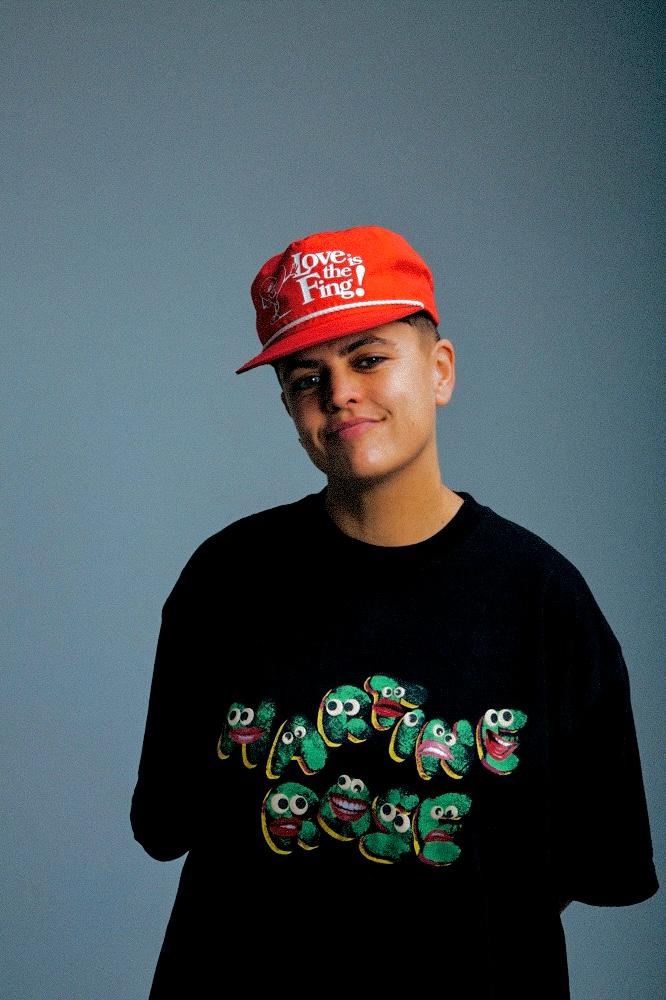
What are your favourite moments to capture at a festival?
Currently, mosh pits! I got stuck into a Kneecap pit earlier this year — it’s like pure, instinctual photo roulette. No chance for anyone to pose, just sticking your camera in and finding out later what you actually caught. It’s chaos, but that’s what makes it so good!
Is it people/friends/production?
People, always. You can have a field full of people and still have a party, but a stage without people. Haha! No, but the production levels for shows have gone crazy, so love to all the creatives always raising the bar.
How would you describe your photographic/visual style?
I want my photos to feel somewhere in between a kiss on the forehead and a punch in the face. I want people to feel like they are in the middle of it, not watching from the outside!
What were your first steps in becoming a music photographer?
I just went out and shot anyone who’d let me. Say yes and work it out! Go in with a positive attitude and shoot the lights out baby. Just add value, no matter what stage you’re at.
How important is photography in capturing/nurturing scenes?
For me, it’s about culture. Photos are proof of what went down! They give the scene history and help push it forward. You’re always balancing letting people live it while still catching the energy so it doesn’t disappear!
Is it important as a photographer to be both an observer and a participant?
It’s a dance! I think being part of whatever scene you’re shooting helps. Then it’s authentic.
You often focus on portrait photography, how do you capture a subject’s personality within your shots?
Yeah, that wasn’t a conscious decision! I’m very much a people person. Not super technical or obsessed with the intricate parts of how a camera works. I just like putting people on and making them feel good!
What is your favourite photo that you’ve ever taken at a festival?
I’ve got this shot from a Fontaines D.C. gig of a couple kissing, completely lost in each other and right behind them is someone up on shoulders in a Fontaines t-shirt which reads ‘Romance’. I wonder where they are now - I want to find them!
How do you prepare for a festival as a photographer?
Triple-check the boring stuff: batteries, memory cards, get in some comfy shoes and pre the line-up.
Check out some selects from Suede Baby at FORWARDS Festival, below.

Cicely Grace
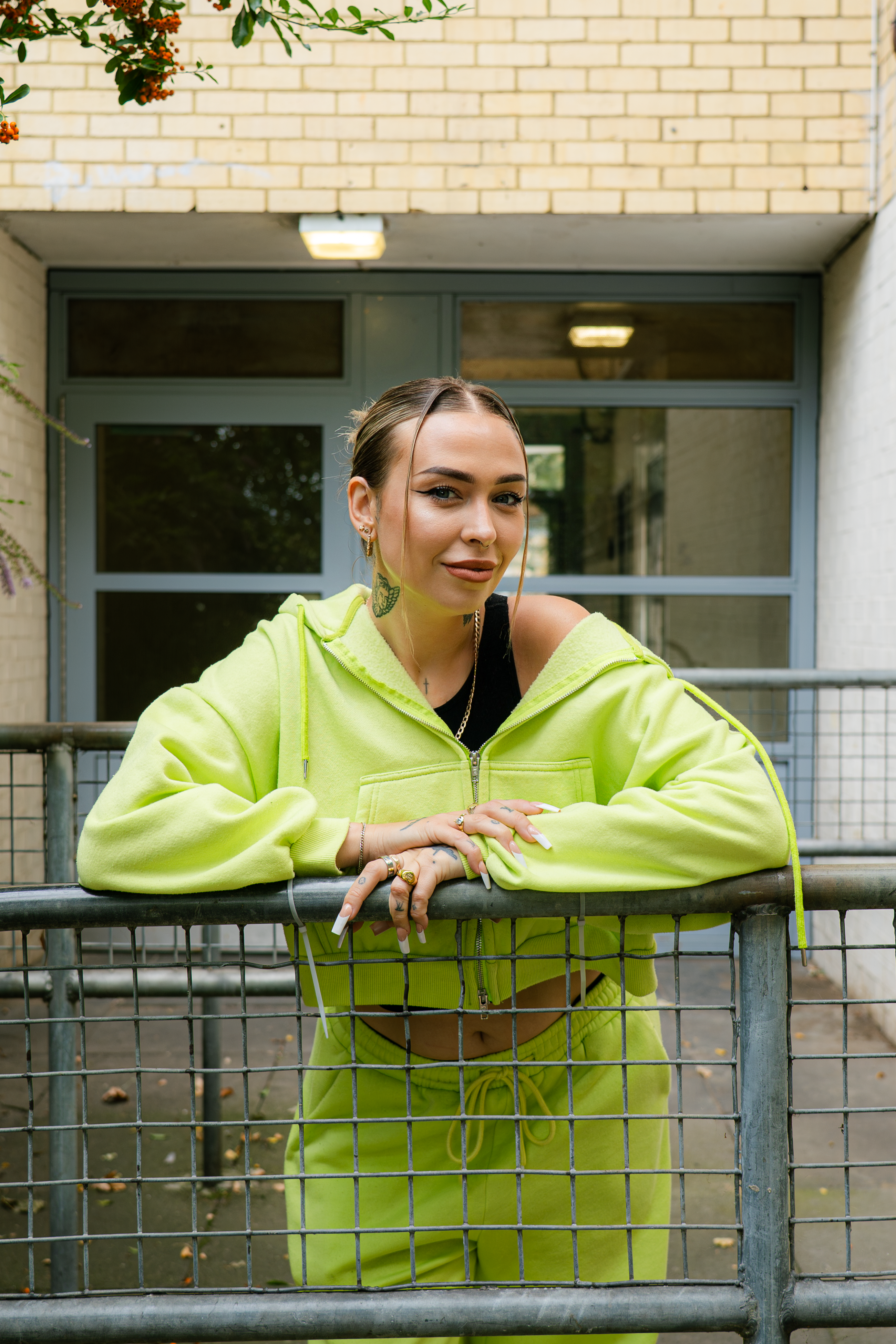
What are your favourite moments to capture at a festival? Is it people/friends/production?
My favourite thing to shoot at festivals are people's fits. People really go all out for festivals, you can tell when someone is feeling themselves, so being able to capture that is fun!
How would you describe your photographic/visual style?
I’d describe my photography style as honest, raw, and a little rough round the edges.
What were your first steps in becoming a music photographer?
I didn’t intentionally set out to become a music photographer, I was just shooting my surroundings — which, more often than not, were dark basement raves. From there, I kept making connections within music, and photographed more and more artists.
How important is photography in capturing/nurturing scenes?
Photography has always been a form of documentation. Memories fade over time, but being able to look back at an image, you can be transported right back there. Nowadays social media is like an online portfolio, so if you have strong images and content to show your event/scene, you’ll gain more traction, and push that scene forward.
Is it important as a photographer to be both an observer and a participant?
Most of the time when I’m photographing events/music videos/festivals, I try to be a fly on the wall, jumping in to capture an image where necessary. However, engaging with partygoers and the crowd can often bring out their energy, so this is what I try to do when taking portraits. Compliment people, dance with them, make them feel good.
You work tirelessly to platform female DJs as part of NRG CRU, how do you connect this to your photography?
Platforming female artists is always something at the forefront of my mind in every aspect of my work, whether it be my photography or curating events. I haven’t always felt confident or safe working in the music industry as a woman and that is something I would like to see change, so working with other women and working to educate men, will always be an important aspect of my work. You’ll always see the empowerment of women through the work I do with NRG CRU, and in the faces I photograph.
What is your favourite photo that you’ve ever taken at a festival?
I took a photo of a girl dancing at Outlook Festival in Croatia, she’s stood in a beam of light, totally lost in the dance. This is my favourite photo I’ve taken at a festival to date.
How do you prepare for a festival as a photographer?
Comfort is key for photographing a festival, often you’re getting squashed in a crowd and carrying multiple lenses. Dressing in something comfortable, making sure you have a bottle of water to hand, and a side bag or lens straps is something that helps me. A walk around of the festival site always helps get my bearings and understand which viewpoints I’ll best be able to work from.
Check out selects from Cicely Grace at Wireless, below:

Yushy
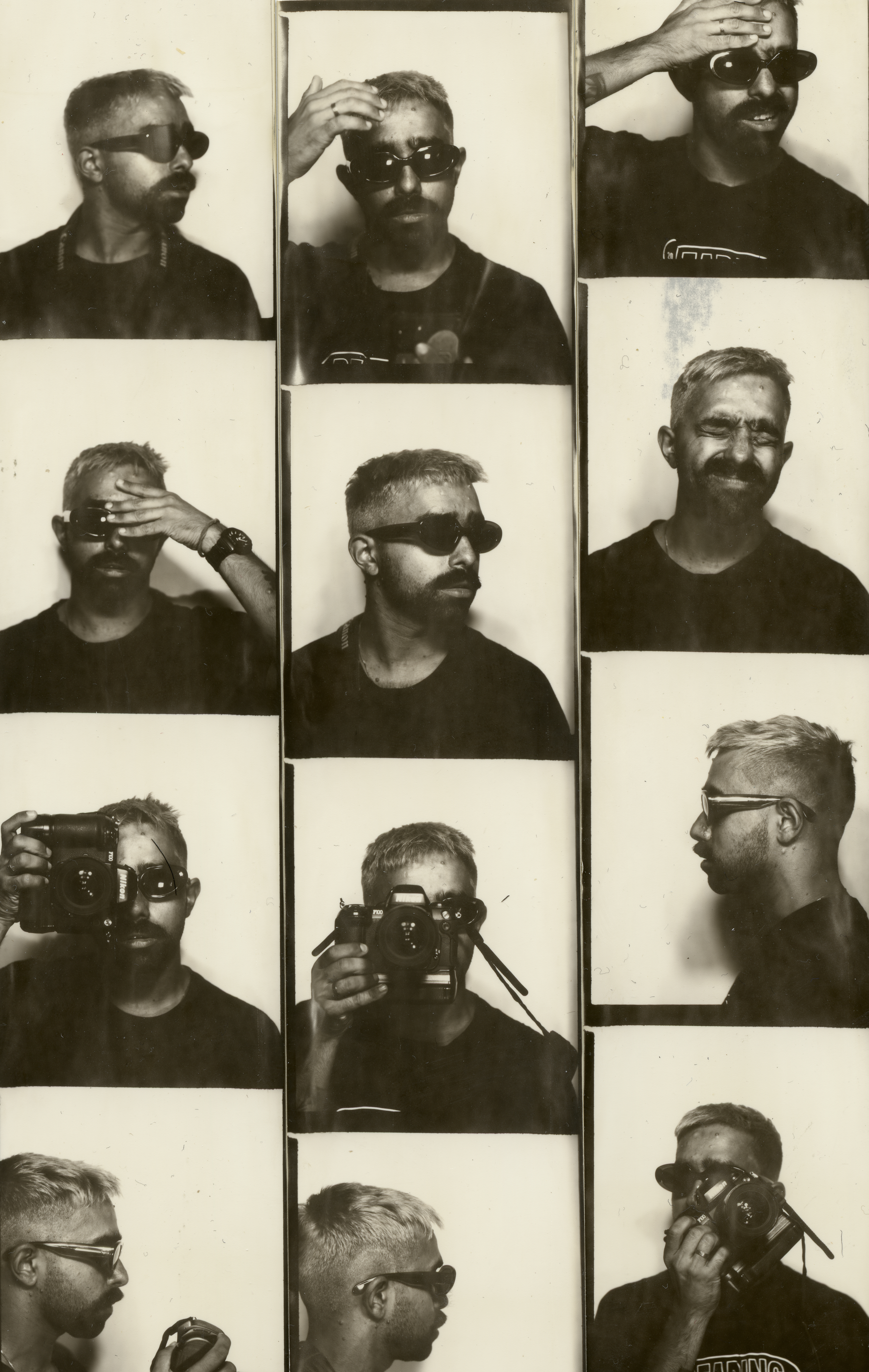
What are your favourite moments to capture at a festival? Is it people/friends/production?
I just like to wander around festival sites and look for things that catch my eye, whether that's the way the stage light hits the trees or the 5:AM crew powering through the sunrise. I tend to step back from photographing artists, since I feel there’s already so much focus on them. I want to highlight the people and moments that often go unnoticed.
How would you describe your photographic/visual style?
I would consider my style documentary-based.
What were your first steps in becoming a music photographer?
I got into music by mistake, falling into one rave almost 10 years ago and not really leaving since
How important is photography in capturing/nurturing scenes?
Looking back at scenes that created dance spaces spaces for marginalised communities, they were not often documented by people within that community. Having the chance to be in the community, and also document them, creates a mutual understanding of your values and how the scene looks to the people in the scene. By doing this now, it just creates a mutual trust, whether that's at a South Asian dance event or a squat rave. It creates a community of trust
Is it important as a photographer to be both an observer and a participant?
As a documentary photographer, I try to be as observant as possible, I want to be as aware on what i can see.
You often focus on capturing alternative scenes/subculture within dance music and beyond - how do you work to do this from behind the lens?
The line from the underground to the mainstream is close, I hope to fall between the two. I shoot squat crews and then AAA artists, I respect the two, I always try to be as open as possible.
What is your favourite photo that you’ve ever taken at a festival?
There's a few that come to mind, but one standout one was some of the blockos I was in around Rio de Janeiro during carnival in Brazil. It was loud, hot and happy. The photo is of two men kissing with a sign behind them says: "O futuro é preto", which in English is: "The future is Black".
How do you prepare for a festival as a photographer?
Stretch. rest and drink water... and bring your camera, maybe earplugs.
Check out selects from Yushy at All Points East, below:

Karla Lizethe Hunter
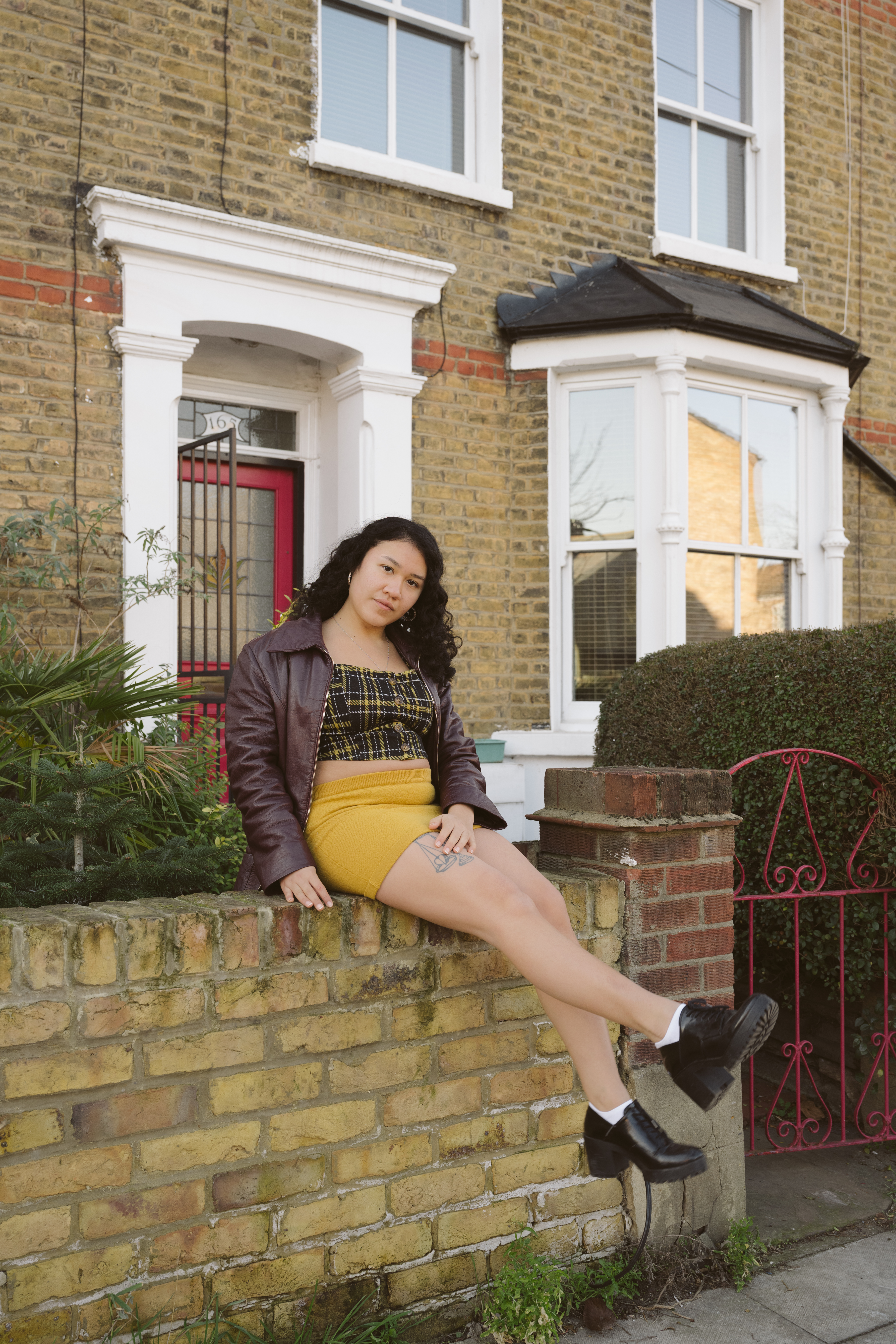
What are your favourite moments to capture at a festival? Is it people/friends/production?
My favourite moments are ones where you can see collective joy, people expressing themselves freely, either through style or simply enjoying moments together with their close ones.
How would you describe your photographic/visual style?
I’ve been inspired by the works of a few specific photographers, Amy Touchette,Bill Bernstein, Ewen Spencer and Nan Golding. So my visual style is reflective of the way I engage with other people. That is to be authentically myself and in turn represent people with this documentary style. Often shot on film with quite a close prime lens, so I don’t feel too far away from people in what I see as an intimate moment.
What were your first steps in becoming a music photographer?
Back when I was in university, I used to attend parties that my friends were playing at. Quite underground stuff that was in smaller venues. I’d take my camera along and photograph people performing then rush through the images the next day as I was excited to share them. After a while people saw my work and started to reach out to me to officially shoot for their events. These grassroots promoters in the electronic and jazz scenes were some of the first that helped me develop technical skills and a portfolio to present to more established venues/brands.
How important is photography in capturing/nurturing scenes?
It’s probably one of the second most important things when it comes to establishing what the vibe of a party is. That’s the representation of the attendees and artists performing, production. Some places can be quite overwhelmed with the amount of people shooting these days, just like when there’s a lot of people filming more than dancing, so it depends on what type place it is and who the intended audience is. Being aware of your presence is key to working collectively to contribute to a scene that is developing.
Is it important as a photographer to be both an observer and a participant?
Great question, for me I like to be involved and not separate from the experience. When I’ve got a brief I’m looking to meet the deliverables but also capture anything else that is particularly special to me. I think some of the best moments I’ve had is when the line becomes blurred and people can see you’re just like them.
You often focus on portrait photography, how do you capture a subject’s personality within your shots?
I’ve always been interested in people. It came from when my mum used to photograph me consistently as a child so I was always aware of photography. At festivals I’ll ask people some questions, talk about their outfit, who they’re most looking forward to see. Often there’s not always lots of time to set up a shot when at a festival, so it’s key to be friendly and confident in your composition.
What is your favourite photo that you’ve ever taken at a festival?
There’s quite a few but one sticks out in my mind and that was the year of Brainchild 2021. It was of a couple dancing together in the mud and the lady was quite visibly pregnant. Together they looked so happy and although it raised some comments the couple were really grateful for that photo.
How do you prepare for a festival as a photographer?
Check the weather before hand and then check again on the day. Definitely make sure I have all the right kit and enough batteries / SD cards with backups. Ideally get an early night the day before with my comfortable shoes ready to go as the steps can really clock up over a weekend.
Check out selects from Karla Lizethe Hunter at Lost Village Festival, below:

HAM-GAL

What are your favourite moments to capture at a festival? Is it people/friends/production?
My favourite moments captured at a festival are the candid moments where people and friends enjoy themselves as they are, and capture the right time. Especially when they are interacting with each other and bringing their energy to the space.
How would you describe your photographic/visual style?
My style is minimal and clean, focusing on capturing authentic, candid moments. I adapt to each environment, whether it’s the vibrant energy of a club or the rich atmosphere of a cultural event. I like to think of my images as moments viewed through glass—where the viewer feels like they’re observing from a distance, yet still drawn in, connected to the scene. It’s about offering a sense of presence and intimacy, while maintaining a sense of calm and clarity.
What were your first steps in becoming a music photographer?
Well, this is quite a throwback. This started in my last year in university—I started to get intrigued by how cameras work and their theory. I started out doing film photography using point-and-shoots. Eventually, I would use manual film cameras and take them out to events, finding ways to apply what I had learned.
There was one event I was shooting for fun. I was talked to by a lovely person whom I met as a friend the following day, and ended up posting some of my work on Instagram, which grabbed her attention. She really loved the work I produced and asked to capture the same energy at another event. She was the lead content producer for Recess and No Signal. Ever since starting to work with it has been a rewarding and knowledgeable journey as well as being a part of one of the most historic black parties here in London.
How important is photography in capturing/nurturing scenes?
It's a way of archiving memories. This is something I will be proud of when someone who has attended an event looks like they are enjoying themselves in the crowd. This could be a couple who found love on the dancefloor or someone finding themselves as well as meeting new people.
Capturing and nurturing a scene always starts a new conversation. Is it important as a photographer to be both an observer and a participant?
Being an observer and a participant is part of the job. This is the best way to get authentic shots. I am always walking around, scouting the location, finding spaces to capture. You can find me on the dancefloor dancing with the people. Interacting with spaces and people is a balance. You have the power to create an atmosphere in the environment you are put into.
You often focus on capturing dynamic dancefloor moments. How do you do this as a photographer?
I find myself talking with party-goers and getting to know people. Breaking a conversation, then taking the shot right away. Don’t always ask too many questions. Always suspect the vibe before getting right into the shot.
You have a real talent for capturing Black joy within the crowd. Is it important to ensure this is seen by audiences?
There isn’t a lot of space in the UK for Black joy. Especially for Black British youth culture, it is not talked about enough within the club and festival landscape. In the past couple of years, there have been a couple of events that cater to these audiences and create a safe space and music that everyone can relate to. I am a part of a historical movement, and I can see this being celebrated on all platforms for everyone to see. All types of audiences should at least experience once and see the love and energy poured out by everyone who is a part of the movement.
What is your favourite photo that you’ve ever taken at a festival?
There is one photo that is my favourite. This was shot at the first Recessland. There were three guys and three girls by the barrier, dutty whining with each other. The scene reminded me if it was its own black renaissance. There were clear signs everywhere saying there are cameras recording and photographers. There was a story this shot—a guy told me to delete the shot. Where I found out the three guys had partners and were basically cheating all of their partners. Sometimes, I feel as if I were their karma. They shouldn’t be right in front of the barriers where people are working with their cameras.
How do you prepare for a festival as a photographer?
I always make sure I have charged at least four battery packs for my digital camera, as well as prep my lenses by cleaning them. If asked, I will bring my film SLR camera and bring two to three packs of double AA and CR123 batteries for my flash and my camera body. You always triple check, sodon'tt have any issues when it comes to shooting, you are ready. Bring in any backup camera bodies if one starts to not work.
Check out selects from HAM-GAL at All Points East, below:

To keep up to date with all things Johnnie Walker, click here.


