
 Features
Mad scientist: How Batu made Timedance a stronghold of dance music innovation
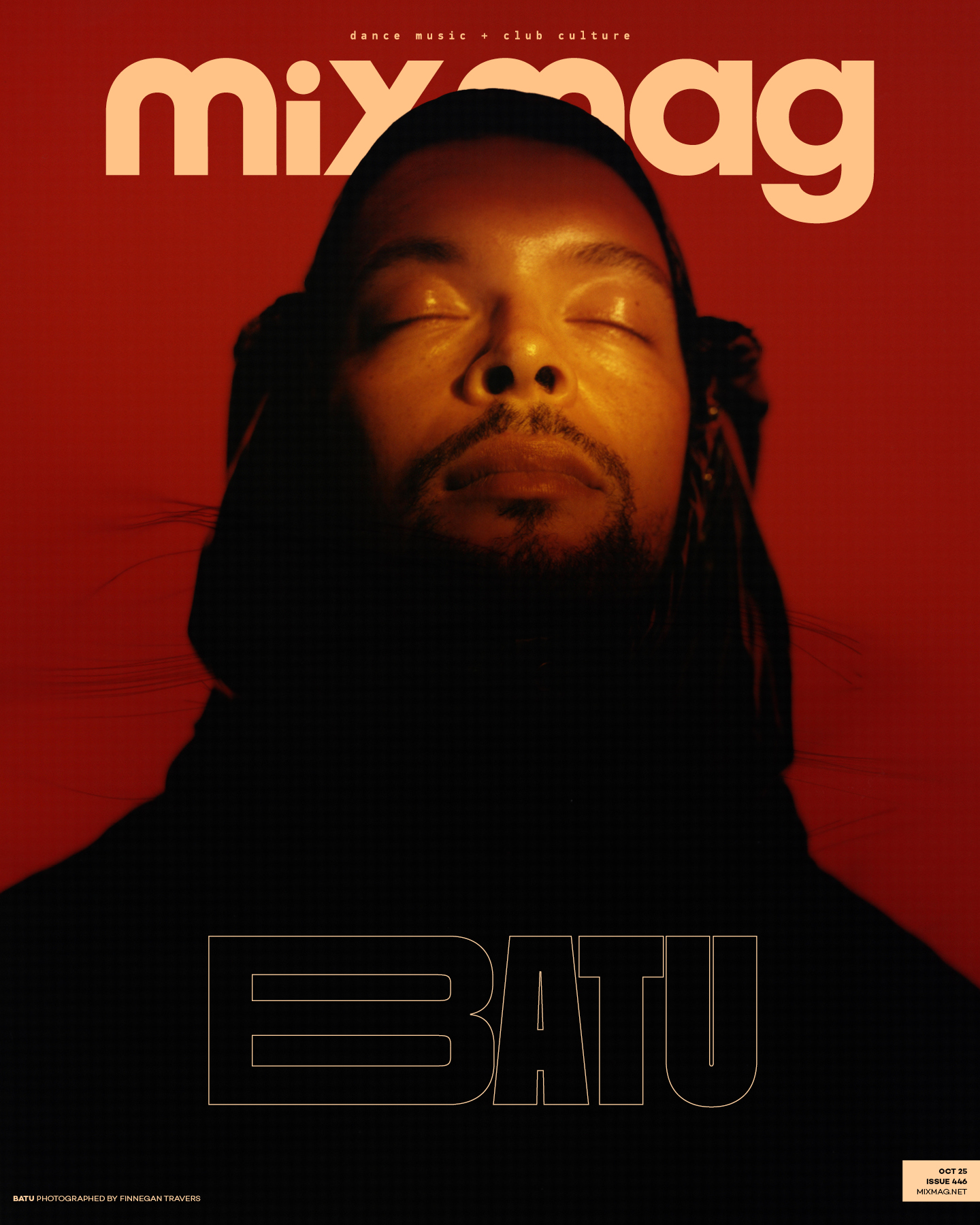
10 years deep, Batu's Bristol-grown label Timedance has gone global with its subversive approach to dance music and roster of artists intent on pushing things forward. He speaks to Seb Wheeler about the problems with rave nostalgia and why modern club music should reflect the technological advancements of today
What does a record label mean in 2025? In a decade defined by AI slop, biased algorithms and 100,000 tracks uploaded to DSPs a day, the traditional role of a label – as a bastion of taste, curation and community – can feel like a distant memory. Sometimes it seems as if music, let alone the imprints that release it, means nothing at all.
Timedance was founded in 2015 by a 21-year-old called Omar McCutcheon, also known as the DJ/producer Batu. The label intended to contribute to the hardcore continuum (a UK sonic tradition that traces back through the soundsystem music of dubstep, grime, garage, d’n’b, jungle and hardcore) by releasing records that antagonised and progressed the ‘post-dubstep’ era of the time, rewiring the links between low-end club music, soundsystem culture, techno and radical sound design. It meant something then and thankfully, a decade later, it still means something now.
Read this next: Timedance: A new UK techno sound
“When I think of UK dance music culture and the hardcore continuum, one thing which I think is sometimes overlooked, is how there's this quite innovative, almost punk, critical angle to it, which is looking at what's happened before and having respect for it, but also being a little bit like, ‘I've got a better idea, I want to push things forward’,” says Batu.
We’re toasting a decade of Timedance in Dalston, East London, where soundsystem narratives intersect like lines on the tube map. Up the road, for instance, is where legendary reggae club Four Aces once was, and over the road is the new Cu basement club, home to club nights like NLDC (North London Dub Club), which is helping to regenerate the city’s dubstep scene. Chat about pushing things forward (or, indeed, FWD>>) feels fitting and absolutely necessary.
“Timedance is a UK label. Despite us working with people from outside the UK, we're very much part of UK dance music lineage. To me, part of embodying that culture is just being pretty wild with it and trying new things, and looking for the fringes where things feel a little bit alien and unusual and seeing how that can work functionally,” states Batu. “You don't want it to go into academic noise music – it's definitely got to stay in club music – but just looking for these pockets of ideas which feel like they're playing with forms that already exist.”

Much has changed since Batu was studying Music Production at Bath Spa university and beginning to release music by uni pals and alumni like Ploy, Lurka and Bruce. He’s become a firm figure on the global ‘underground’ DJ circuit, frequently handed the reins to headline cutting-edge festival stages and high-spec main rooms to play his own very particular type of heavyweight club music. And Timedance now exists in the era of drop clips, trending sounds and new forms of payola which blur the line between advertising and organic content beyond recognition in digital spaces where music is expected to find an audience naturally. But Batu’s steely commitment to the new, aided by label manager Paul Boumendil (“the lifeblood of the label”), and an international network of artists that now extends well beyond the South West of England, means Timedance continues to evolve through the white noise of information overload.
Listen: The Cover Mix: Batu
The label’s latest blueprint is its 10th anniversary compilation, a 23-track sprawl of guttural basslines and innovative rhythms from core UK crew like Pearson Sound, re:ni, Yushh and Jurango and cross-continental collaborators like Verraco, Lechuga Zafiro, BADSISTA, 33EMYBW, Polygonia and Skee Mask. Whereas previously tracks were signed by producers at the core of Bristol’s soundsystem techno scene, now connections are made with artists thousands of miles away who have the same forward approach to making music and are responsible for their own unique forms of sonic invention, influenced by but certainly not tethered to the UK hardcore continuum.

“There's definitely a sense that some of the edge in Europe, with innovative dance music, is maybe not quite as sharp as it was, And, simultaneously with that, we've had this explosion of visibility; we're aware of a lot of this really crazy, creative music coming from other places,” Batu says. Timedance signings are based on friendship, dialogue and intention, as the label’s radar seeks echoes of the hardcore continuum while staying attuned to totally new frequencies. To his credit, Batu is acutely aware of being extractive or colonial. But Timedance’s expanding geographical remit feels like a natural step forward, especially given the creative exchange inherent in the music and between the artists. Similarities are encouraged, differences are celebrated. Heritage is respected, borders are dismantled.
“Someone like Verraco has this amazing knowledge of UK dance music and you can hear that in his music,” Batu says. “But there's something inherently different and special because of his experience and his outside perspective and that's super important.”
The ‘Breathe… Godspeed’ EP is a prime example of Timedance’s current era, a record where dubstep, UK funky and techno fuse with synaesthetic sound design and the geospecific production palette of JP López, the visionary DJ/producer/TraTraTrax label co-founder from Medellín, Colombia. There is a familiarity bedded deep within the tracks, but the first thing you feel when you hear them is the gut-punch of newness, the head-spin of WTF?! Uncanny, sure. Nostalgic, never.
“There’s a sense that the future has been lost or that things were better,” says Batu, reflecting on the back-in-the-day romanticism that has a tendency to obscure and distract from cutting-edge scenes that are happening right here, right now. “Previously people reacted to what's going on by trying to make something current. I feel like now this really perasive wave of nostalgia is masking the moment and the innovation of the moment which we should celebrate.” He points to phenomenons such as “Afrobeats or amapiano or drill” as well as “little fringes of dance music” where the innovation is irrepresible. “These are huge moments in culture which I think are really exciting and we don't really take much time to celebrate those things, which I think is linked to this nostalgia, which is quite pervasive.”
Rave conservatism is becoming a weird mirror to Little Britain and its obsession with flags and monoculture. UK music stuck in ever shortening nostalgia loops. ‘90s dance anthems ad infinitum. We need things like Timedance – which is a roaming club night as well as a record label – to create spaces and generate sonic energies that dare to challenge and, let’s be honest, dream.
Batu cites Afrofuturism as a guiding principle, the cultural philosophy that uses sci-fi, futuristic technology and space travel to imagine new and liberated realities, futures and histories for the African diaspora. Think of Sun Ra, or in electronic music, of Drexciya, Larry Heard or Jlin (among many others). Think of the Black music that powers the hardcore continuum. Think also of the Jamaican dub and soundsystem pioneers like King Tubby, who experimented with electronics to create walls of bass powerful enough to reassemble your organs and dub versions so potent they can rewire your brain with ease.
Read this next: How Jamaican soundsystem culture changed dance music forever
“You think of these older dub guys and how there’s this science to it – they are kind of scientists, you know?! – it's a sense of mad science,” Batu says. “What would be a modern form of that? That’s things like VSTs to me. Using these digital tools and pushing them, seeing what kind of crazy shit you can get out of it, not just using the standard presets, but, you know, what if I push this to the point where it's nearly breaking, what can appear? I think a lot about these dub principles, or soundsystem principles.”

Batu talks vividly about how TImedance is soundsystem music, as connected to the OG dub events at Bristol’s Trinity Centre, where he experienced many formative moments in his early 20s, as to the cutting-edge venues that pride themselves on the art of sound, like FOLD in London and Open Ground in Wuppertal, where the label’s throwing 10th anniversary parties. The Timedance catalogue makes the most sense on weighty systems but Batu also feels fully connected to their heritage and the sonic possibilities that become available when amplification reaches transcendent levels.
“I think [Timedance] is really physical soundsystem music. When we do a party with Sinai Sound System, tracks which feel on the edge of what people will dance to, or ones that feel quite subversive, they do make sense, they're engineered for that kind of situation. So I think it's definitely a soundsystem label. That's just as important an ingredient as it would be for a label like Deep Medi or something else like that,” he says.
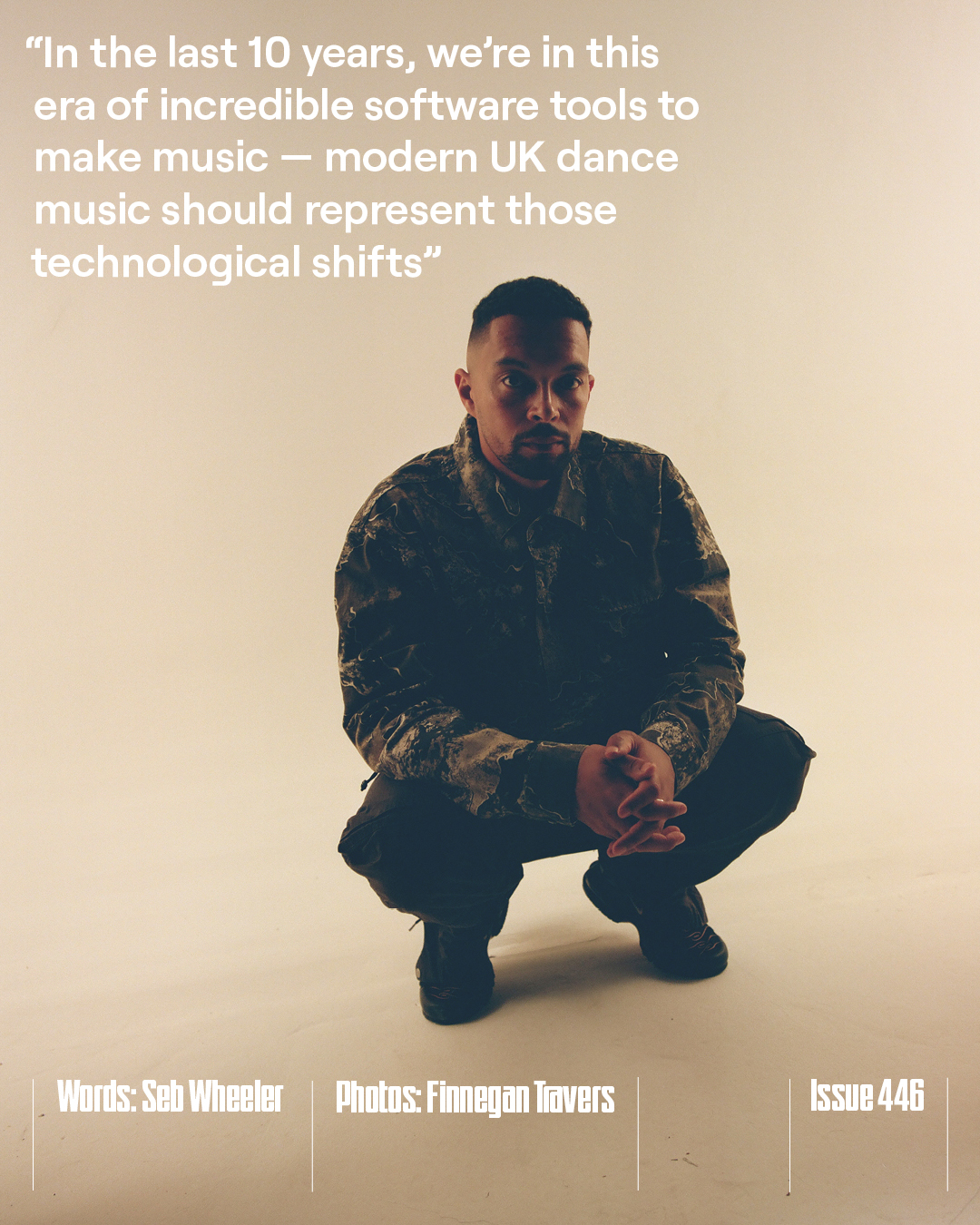
“I think a lot about technology in this regard. Jungle had this sound because of that Akai sampler, for instance, and the limitations of that, and people [being able to] play with new technology,” he says. “Right now, in the last 10 years, we're in this era of incredible software tools to make music and sound design, which was maybe this weird, nerdy, academic thing. Access to these things is quite good now, you can go into sound design and make these crazy digital textures. I think that's really interesting. That's the new technological development. And I feel like modern UK dance music should represent those technological shifts.”
Beneath the concepts and the tech there is the dance. From dark, close encounters in Bristol cellars to curating landmark takeovers at Draaimolen, it’s always been about moving to next-level bangers. This writer actually met Batu front left at an early edition of Dimensions and Mixmag was one of the first publications to review his early releases, so we can indeed confirm that he’s a dancefloor lifer. “It's all underpinned by grooving. If we think about going to see Aba Shanti-I, there's some pretty wild sound design in that, in a different form, different tools. But you have this bass and this groove underpinning it,” he says. “As much as sound design can be a thing, there's got to be a sense of the bare bones, the [basic] elements just working really well and being really functional, you know? And once you have that, then you can play off that. Verraco is very attuned to this, he really knows what works in a club. And a lot of this comes from DJing – I think Timedance has been really blessed to work with a lot of artists who are really good and very interesting DJs, so if you're thinking about a DJ set, you're thinking a lot about [tracks that have] pacing, tension and release.”
Read his next: How Timedance ushered in a new era for UK techno
Batu explains that a Timedance release is always a few years in the making. There’s a healthy dialogue with the artist, A&R input from Batu as well as the offer of studio time and mentorship and, of course, road testing on a range of dancefloors to make sure the final master hits. There’s a symbiosis between the studio and the dance, as the Timedance ethos is applied and, when all is said and done, designed to make people shock out or lock in.

So, what does a record label mean in 2025? “The whole thing used to feel quite defined. You kind of knew how these things worked. A bit of PR, 500 records, a good distributor getting in the right stores, and a Mixmag or RA review. These things would all slot together. If you ticked the boxes, then it'd probably do pretty well. Now you could do all of those things, and it might not make any difference,” Batu says.
“Ultimately what's going to sustain the label is building a fanbase that’s really going to connect. To come buy a ticket to a party, buy a T-shirt, you know? To be there in five years’ time because of the label’s consistency and quality. If we do a really good job and we just follow our vision, do something authentic that is truly inspiring, then I’m still optimistic enough to believe that’s enough.”
‘Culture’ and ‘community’ are words that have been used to define what’s needed for musicians and labels to adapt to and survive the chaotic post-lockdown years. Something else that has been mentioned among crews who are digging deep to find sustainability in the 2020s is ‘intention’. With a playing field that’s busier and noisier than ever before, what’s really behind what you’re putting out into the world? Timedance has had a mission statement from the start and Batu’s already got his eye on completing the next decade of club music and soundsystem evolutions.
'TD10', the 23-track compilation celebrating 10 years of Timedance, is out now, buy it here
Seb Wheeler is a strategist, curator, writer and DJ who’s worked at the forefront of electronic music since 2011. His monthly club music mailer, Waste Mail, can be found on Substack here


