
 Features
Industry Insider: An interview with Africa Rising Music Conference founder, Sarah Jane Nicholson
We sat down with the driving force behind Paradise Worldwide (Africa), Africa Rising Music Conference (ARMC), and the visionary behind cross-continental label Paradise Sound System
From navigating the delicate tread of artist management to sitting across the table from global brands, Sarah Jane Nicholson, better known as SJ, leads with both strategic grit and creative intuition in her multifaceted career, building partnerships, platforms, and moments that spark change. As the driving force behind music distribution network Paradise Worldwide (Africa), founder of the female-led conference and artist exchange event Africa Rising Music Conference (ARMC), and the visionary behind cross-continental label Paradise Sound System, SJ is building an ecosystem where independent voices, especially those from Africa, are amplified, empowered, and heard on the world stage.
Over the years, she's supported groundbreaking artists from Zakes Bantwini to Moonchild Sanelly, and fostered cultural collaborations between South Africa, Berlin, Ibiza, New York and beyond. A Keychange Innovator, SJ is also the founding member of Women in Music South Africa, and now spearheads Mamas in Music Africa with initiatives that spotlight the role of women and mothers in reshaping the global music industry. With a growing catalogue of globally expansive releases and a rapidly expanding conference, SJ is not just watching the tide change – she’s the one helping to shift it.
We sat down with SJ to find out more about her current projects, and how she navigates the music industry.
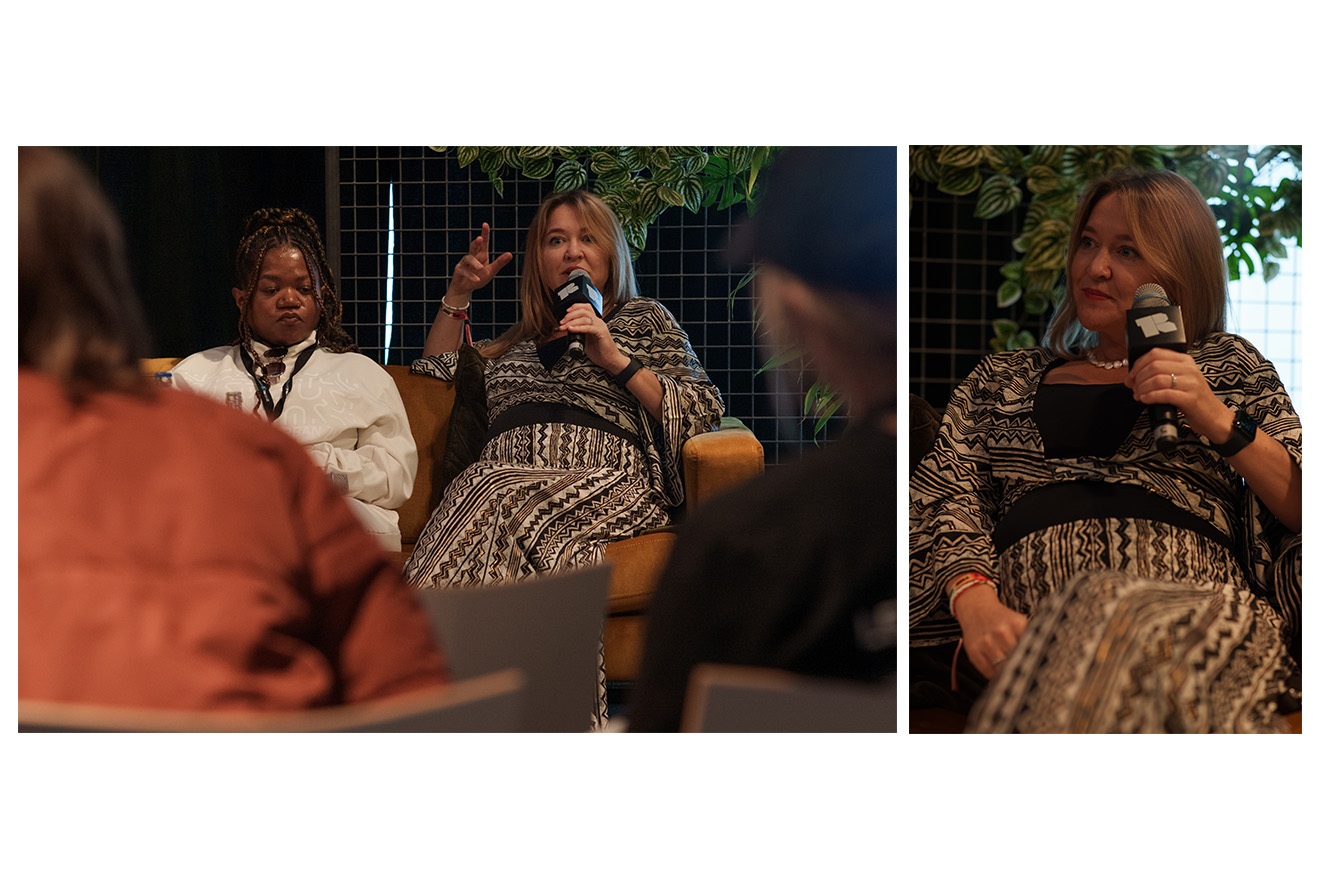
You’ve worn many hats in the industry – artist manager, label founder, conference curator, and now cultural architect. What have been some of the most significant turning points in your journey so far?
One of the biggest turning points came shortly after my work with Africa Express, when I lost an artist I had developed over five years to an international executive. At the time, it was devastating. I’d invested so much creatively and emotionally, and it shook my belief in whether I could ever build someone up again.
That changed when I met Ralph Böge, founder of Paradise Worldwide and now my husband, at the Access Conference in Ghana. Ralph helped me reframe my approach, shifting from a purely emotional investment to one that was still deeply passionate, but also structurally sound. Together, we built Paradise Sound System, and that gave me the tools and safety net to re-enter the industry with a smarter model. Without his support and strategic lens, I’m not sure I would have had the courage or clarity to build Africa Rising Music Conference.
Another unexpected turning point came in 2023. I broke my leg and found out I was pregnant – at the same time. As someone who operates at a relentless pace, being physically forced to stop was one of the hardest challenges I’ve faced. But that pause created space for my team to step up in incredible ways. It was a humbling and powerful reminder that leadership is also about letting go. Jules Spielmann running ARMC, and Thabo Phahlane & Nelo Mathenjwa running the African Division of Paradise Worldwide, pushed forward with strength and grace as they held the fort. That experience deepened my trust in the people around me, and taught me the power of resilience – not just mine, but my team’s.
You’ve worked with some big brands in recent years, how have those partnerships helped shape the vision for what you’re building across your label, your distribution work, and ARMC?
These partnerships have played a vital role in allowing us to build something that’s not only artist-first, but also globally impactful. Of course, Paradise has been instrumental in this journey – the leadership from Berlin has taught me a lot. The German approach to business, especially around long-term trust, structure, and accountability, has deeply influenced how I lead.
Busiswa, a global powerhouse and Beyoncé collaborator, is another example of the level of artistry we’ve championed. From working together in studio to co-curating the Reeperbahn Festival Sessions, these are more than just moments – they’re milestones that push our narrative forward.
Through years of traveling and building what I call “connection capital”, I’ve developed the ability to spot opportunities and build bridges quickly. Being neurodiverse is a big part of that, I’ve come to fully own it. It’s made me a creative problem solver, a strategist who connects the dots fast and moves with clarity. When you have trusted allies who back your vision, you don’t waste time – you build. You activate. That’s what allows us to not only shift things for artists, but also lay the groundwork for the next generation of executives. We’re creating space for new perspectives, diverse line-ups, and a more authentic, future-facing representation of Africa on the global stage.
Paradise Sound System is nearing its 100th release – what defines the sound and ethos of the label, and what kind of artist or project makes you say, ‘This is Paradise’?
At its core, Paradise Sound System was built on the concept of building bridges. Every release we put out involves international collaboration – whether it’s the track being recorded in one country, mixed in another, or mastered elsewhere – and at the heart of it, all are African content creators leading the narrative.
While we primarily work within the electronic music space, we’ve also branched out across R&B and hip hop. Our mantra is: “Hard work beats talent when talent doesn’t work hard". The label isn’t a one-stop shop to fame, it’s a partnership. We work closely with artists to define what success means for them, set strategic goals, and walk the journey together. It’s a 50/50 model. We often invest financially, but the artist must also show up and work to ensure recoupment, so they can earn off their masters.
What makes our releases stand out is our global perspective. We might connect LATAM with NTC, and pull that energy into Africa through remixes, co-writes, or content collaborations. We’ve worked with Sasse from Blackhead Studios in Berlin for mastering, and Jeff Dunes in New York on A&R. This global touch, along with our willingness to give artists direct access to these networks, is what makes us unique. We believe there are no walls – and our goal is to break down every barrier that stands in the way of African artists being heard globally.
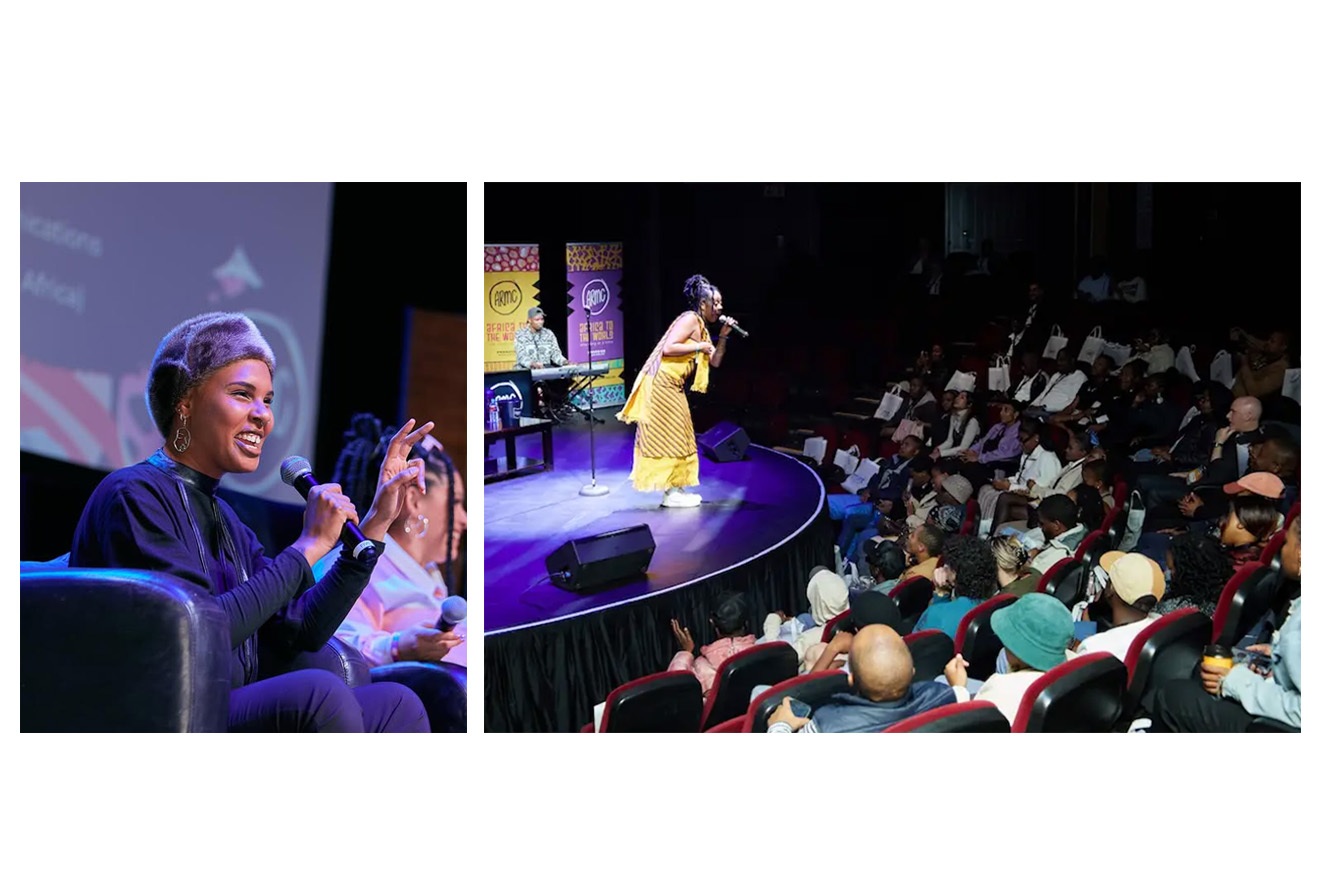
With ARMC entering its fifth edition, how have you seen the perception of African talent change within the global electronic music scene – and what do you feel is still missing?
In 2018, I attended IMS with Black Coffee. He was one of the only African artists performing, and I was one of the very few delegates from the continent. Fast forward to this year, we had KMAT not only perform at Akasha, but also speak on the IMS stage. It’s a tangible sign that the global scene is now carving out space for African voices from the continent – not just the diaspora.
Still, one of the biggest gaps is development. Booking agents and international markets are eager to book acts – but not enough are committed to building them. Collaboration with African executives is also lacking. Signing an artist without bringing their team along for the journey often results in missed cultural context. If you’re building with Africa, build with Africa – including its professionals.
Another often overlooked area is touring infrastructure. Until artists from the continent have equitable access to visas, mobility funding, and the same stage opportunities as their European or American peers, we’re not truly global. This is where community-led solutions must step in.
What Bridges for Music is doing for African talent from a live perspective is a strong example. Their recent collaboration with EDC Las Vegas brought the UBUNTU Stage to life – featuring over 20 African and diaspora artists including Uncle Waffles, DJ Lag, Da Capo and Kasango. This partnership put African electronic music at the centre of one of the world’s biggest festivals, creating meaningful exposure and access to global audiences.
You split your time between Berlin and Johannesburg. How does that global perspective influence your approach to music and community building?
Berlin has given me a new lens – especially around arts funding and cultural infrastructure. We’re now working on setting up an export office for South Africa that would create mobility funding for artists across all genres. That idea draws directly from the European Union’s Creative Europe programme, which is investing €2.44 billion between 2021 and 2027, with a strong emphasis on mobility and cooperation. Even a small fraction of that kind of funding could be transformational for African talent. Artists shouldn’t just dream internationally – they should be able to move, connect, and participate in the global industry. We want to help make that a reality.
Over the past two years, through Paradise Worldwide and ARMC, we’ve raised over ZAR 5 million (approximately €250,000) to support artist and executive mobility. This has enabled 25 international trips for live shows, residencies, and internship opportunities across Europe with more to come in the next months. The next step is to build on this momentum, encouraging more brands and institutions to invest in cultural mobility as a critical component of Africa’s creative growth.
Looking ahead, what’s next? What’s the vision for the next chapter of Paradise, ARMC, and your personal journey in music?
We’re at the forefront of building a future-facing model for music. Paradise is deeply engaged in AI rights protection, working alongside Allrights Aixchange and as part of the Get Paid Get Played campaign by the Association for Electronic Music. We believe AI will play a major role in the future of the industry, but only if creators are protected, credited, and properly compensated. It’s a space where artists and rights-holders risk losing significant income if they don’t get involved now.
My business partner Ralph Böge has just been nominated for Music Ally’s International Entrepreneur of the Year Award and his leadership continues to guide us as we integrate ever-evolving tech at the forefront of our infrastructure.
For ARMC, the dream is big. We want to grow it into a 5,000-person event, occupying the full Constitution Hill venue and becoming a landmark celebration of African music and industry leadership.
And on a personal level? My focus is on being an incredible mother to Mini Max, a supportive wife, a committed team player, and someone who constantly learns. My ADHD is my superpower, and I’m learning how to channel it more effectively while encouraging others – especially neurodivergent creatives – to own their story and support each other.
Africa Rising Music Conference (ARMC) begins tomorrow, May 22, at Constitution Hill in Johannesburg. Find out more here.


