
 Features
How AZYR became the poster boy for the UK’s hard dance phenomenon
Breaking out from Blackpool b2bs to enrapturing thousands-strong arenas worldwide in four years, AZYR has hit the big time at the kind of face-melting pace usually found in his DJ sets. Undeniably the UK’s biggest hard techno export, the 26-year-old Northerner has ridden the wave of an intense dancefloor phenomenon. In a rare moment of stopping for breath, he speaks to Megan Townsend about his ascent to the top and how he’s now fighting to stay ahead
Three football pitches-worth of dancers are moving frantically in unison to a BPM that barely drops below 150, the sea of bodies appearing endless as it blends into the dark horizon. I’ve been in Drumsheds’ gargantuan main room before, I’ve experienced its giant LED screen, pulsating lasers and bellowing soundsystem, yet here I am, completely entranced, trying to work out what the fuck is going on in front of me. “It’s mad, innit?”. A chirpy Northern accent breaks me from my reverie.
The source is Blackpool-born DJ, producer and label head AZYR (rhymes with ‘desire’), who will be whipping this intimidating, liquid mass of people into a frenzy at the debut of Teletech and Warehouse Project’s XXL party at the former IKEA-turned-giant-events-space in just two hours time. While he takes in my uninitiated bewilderment with a knowing look, AZYR seems unfazed by what lies ahead. But why would he be? With only a passing glance at his social media pages, you can see countless instances of this 26-year-old hard techno wonderkid presiding over crowds like this multiple times a week.
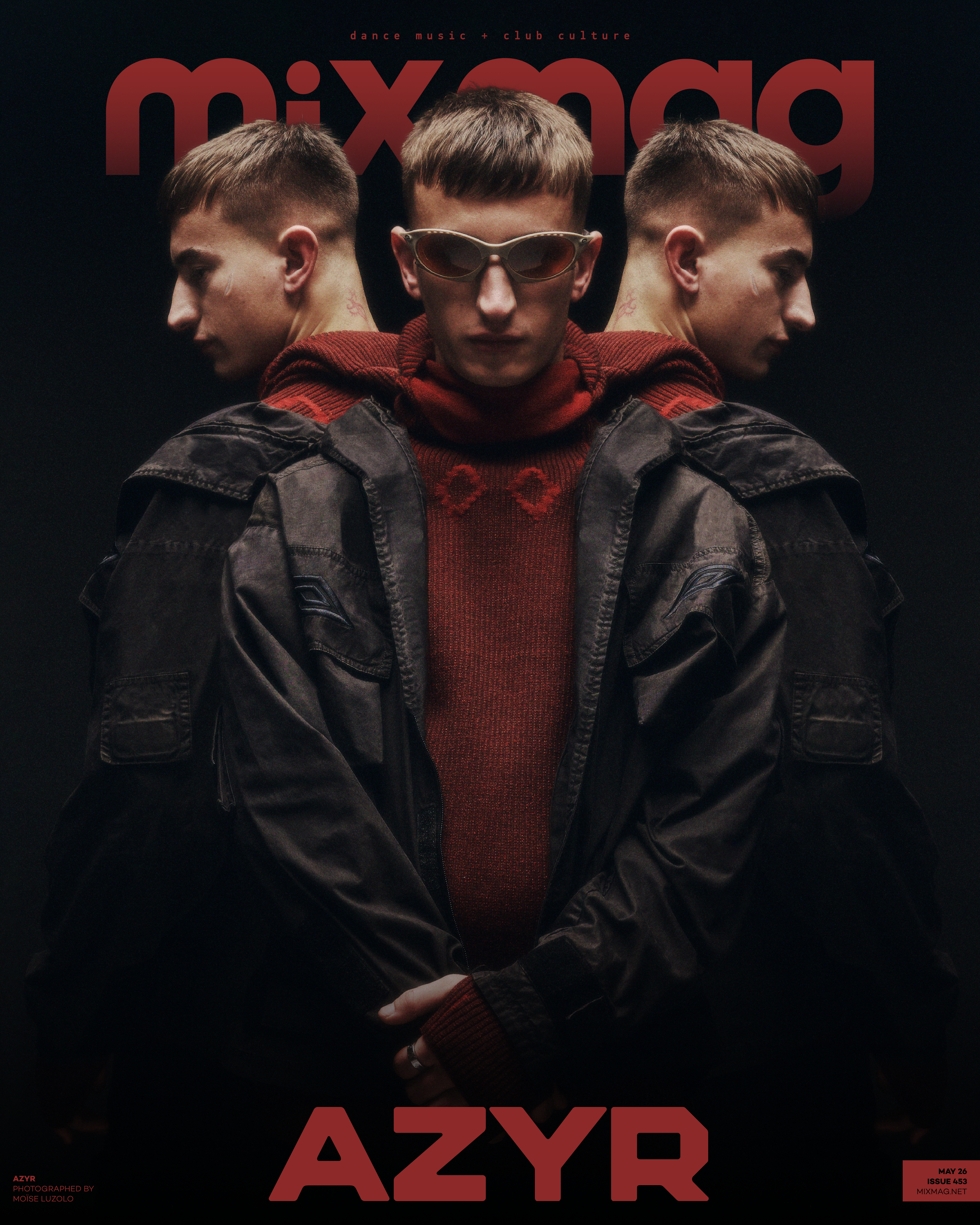
AZYR, real name Oliver Rowley, has experienced a warp-speed rise in the last few years. In 2022, he was putting on his own nights with his mates in his hometown. In March 2024, he sold-out an all-night-long show at Manchester’s 4,500-capacity BEC Warehouse in just eight minutes. In March 2025, it was onto the 7,000-capacity Aviva Studios for Factory International’s first-ever techno event. Since then, the pace has only grown more extreme: He’s closed Creamfields, Glastonbury’s Lonely Hearts Club, drawn in tens of thousands at Tomorrowland, garnered hundreds of thousands of followers and millions-upon-millions of streams. A face-melting bag of breakneck techno, hardstyle, acid, hard dance and schranz, combined with a distinctive stage presence — which often sees him cavorting and hollering, shirtless behind the decks — could go some way to explaining his mushrooming appeal. But how did a lad from a struggling Lancashire seaside town go from playing B2B with his mates on a Friday night, to selling out arenas in under four years?
According to the storybook version of events, it all started in June 2022. With just three DJ sets in front of a crowd under his belt, the then-21-year-old upstart was handed dance music’s answer to a golden ticket: Brutalismus 3000 had been forced to cancel an appearance at Manchester’s Hidden for the HARDCORE off-shoot of burgeoning techno promoter, Teletech, prompting founders Tom Shenton and Anton Stevens to approach the guy who’d always been around at parties with those five words that every DJ-wannabe dreams of: “Have you brought your USB?”.
Fast forward to 2026, and Teletech isn’t just one of the UK’s biggest techno brands, but arguably the world’s, and AZYR is the country's biggest hard techno export — both have been fundamental in fuelling the UK’s post-COVID obsession with hard and fast dance music.
“After COVID, people were going mad for it, they wanted that fast music because they'd been locked away for however long,” AZYR explains as we sit down in an East London coffee shop on the eve of his Drumsheds set. He’s reflecting on his high-speed journey from electronic convert to techno superstardom, and how it’s been powered by those scores of speed-hungry dancers, who, after being forced to connect with the wider world through screens, now look to social media platforms to guide their musical interests. “People see footage from an event on TikTok and they are like ‘shit, I want to go’. That’s what people base their decisions off on now to buy tickets. If something is trending people are like: ‘Who is the artist? Where are they from? Where can I see them play? It’s much more accessible.”

The jury is out on whether the relative accessibility of online discovery acts as less of a monopolising factor on tastes than the booker decisions controlling line-ups of old, but AZYR’s ascent makes a strong case for his theory. His own introduction to dance music came through accidentally stumbling into the tech-house offerings of the dance tent at Leeds Fest as a teenager, but he soon veered in the direction that many of the UK’s younger dance music fans would follow. While undertaking an apprenticeship in aerospace engineering at Rolls-Royce in Sheffield, Rowley would visit friends studying in Manchester where his tastes grew “more extreme” as he frequented techno-orientated student nights in Hidden’s basement and a then-fledging acid/techno night at Fallowfield’s tiny Cubo nightclub, Teletech. “When I started to DJ, I was picturing myself playing in these venues, the music really resonated with me,” he says.
Then the pandemic hit. With “no aeroplanes in the sky and no engines that needed to be built”, Rowley was offered an extended period of furlough, which he used - wisely - to try his hand at DJing. “I just wanted to be able to play at house parties with my mates. I'd never touched decks, I didn't even do music at school. It was never really an option for me. I could never see myself as a DJ ever,” he explains. “But the day I got my decks, I just knew this was it. I had an instant passion for it,” he continues. “In school and college, I never knew what I wanted to do. I just did what I was good at, which was engineering. I had the best grades in that so that was the path I decided to go down. But I knew deep down that I was destined to do more.” He shifts his gaze upward, looking every inch the DJ in a black tracksuit, a touring tan, and wearing the same permo-grin that covers face as he throws gun fingers in front of thousands each weekend. “It sounds so cringey, but I knew that I wanted to do something bigger and better for myself.”

Armed with newfound DJ skills and a new moniker, inspired by the Xbox gamer tag he created when he was 12, as the final lockdown restrictions lifted in 2022, Rowley decided to launch his own club night, Visionary, at Blackpool bar and music venue, Bootleg Social. “In Blackpool everyone knows each other,” he says. “The first party was free, but instantly all the tickets were gone. Everyone l know saw what I was doing, they knew I wanted to be a DJ. I think they just wanted to come and support it. All my friends were there, my family was there. I played B2B with my friend Dujour for six hours. It was such a good night.”
“Then after that, we decided to do it again and we booked some headliners. We had Bad Boombox come to Blackpool, and look at him now!” he exclaims. Despite the tone of disbelief in his voice at the very idea of bringing the Bulgarian-American techno star to his hometown, his impenetrable grin falters slightly. “The thing is, [Blackpool] used to have Syndicate,” he says, referring to the famed superclub, which between 2002 and 2011 was the location of Gatecrasher and Hedkandi parties and sets from David Guetta, Eddie Halliwell and Judge Jules. “People used to come from all over the North West. And now, there’s nothing like that. It’s such a shame.”

Blackpool is the city with the UK’s oldest population. More than 42% of people are aged 50 and over, which is significantly higher than the UK average (37%). Much of this has been attributed to “brain drain” as young people leave the town for the nearby cities of Manchester and Liverpool in search of better opportunities. When I suggest this could be the reason for that reduction in the scene, and that Rowley - as a now-successful musician making his way outside of the town - is part of that figure, he nods solemnly. “Everyone wants to get out,” he says. “I did everything I could to leave. I just didn’t want to be trapped. Obviously moving to Manchester is one of the best things I ever did, but it’s a shame. Blackpool is a great town. People would be coming from all over back in the day, like they do for big shows in Manchester and Liverpool. But now, there’s none of that, unfortunately.”
So how did this Blackpool boy make it big? While we’d love to believe the fairytale simplicity of the carry-your-USB-everywhere-just-in-case origin story, AZYR had already started to gain traction in the build-up to that fateful Teletech opportunity. Within six months of buying a controller, he’d started making music, citing his early influences as 999999999, DYEN, Hadone, Viper, CLTX and Charlie Sparks. “I was watching their videos from parties, listening to their tracks, and I was like, yeah, this is the artist I want to be. This is the music I want to make and play,” he says, sitting back, taking a drag of his vape and then shaking his head. “Now obviously fast forward, I’m friends with all these guys. I know all these people. It’s crazy how fast things can change.”
Having spent months firing out a bank of “around 100” of his productions on SoundCloud to his favourite DJs, Teletech resident and now-label head Kander took notice and played one of his tracks during a set. “I just remember being with my best mate, we'd been waiting for it all night to hear it, and he'd gone to the toilet. By the time he'd come back, he was like ‘has he played it yet?’, and I was like ‘you've just missed it’,” he laughs. “But that feeling that you get as this regular guy and hearing someone play your tune, it was so euphoric, you know what I mean?”. Later, while checking out a livestream of Italian techno giants 999999999 at Awakenings Easter, he recognised three of his tracks within the duo’s set. “My jaw dropped to the floor. That was the beginning, you know what I mean? I think that’s why Tom and Anton noticed me,” he explains. “Some of the biggest names are playing my music. Even now to this day, that helped me massively. I'd only played three shows in Blackpool. What had I done to deserve this? But they saw some potential.”

Back in present-day Tottenham, AZYR is approaching the Drumsheds booth alongside his regular B2B partner, Irish hard techno star blk.. There are already roars coming from the audience, with one girl struggling to stay aloft on a pair of shoulders that are dancing below her as she opens up a flag with “#nopartylikeanazyrparty” emblazoned across it. Often seen at the bottom of his Instagram and TikTok posts, the hashtag seems to be a calling card for anyone calling themselves a true AZYR fan — likely due to its inclusion in the introduction of his notorious 2023 ‘Hard Dance’ Boiler Room, which has now racked up over 3.4 million streams. “A few years ago, when I was really small and no one knew who I was, there was this person who was in my year at college who shared a video of me on their Snapchat story and put that as a caption. I was like, fucking hell, I’m actually going to use that,” he explains. “When I went on Boiler Room, the MC [Chunky] asked: ‘What's something about you, how can I introduce you?’ And I said: ‘just say ‘no party like an AZYR party.’ What's so funny is, he said my name wrong on the stream. He said ‘no party like an ‘ay-zah’ party’. But it's kind of iconic. It actually works so well.”
Even now, the comments on that stream are filled with disbelief at his bone-shattering selections. “I was considered a really hard artist when I first started,” he says. “People would be like: ‘God, I'm not playing after him.’ At the time no one was really playing at that 151-152 BPM level. But these days, I’m like, I don’t want to play after these new guys!” he says, reflecting on the growing intensity of tastes among a young cohort of DJs following in his footsteps, taking up the hard techno mantle and pushing the sound to its limits.

Despite the fact that genres like hardstyle, hard techno and gabber have been drawing in arenas-worth of hakken-kicking young people from across Belgium, the Netherlands and Germany for decades, it would have been unthinkable to imagine the same scenes across UK cities a few years ago. And yet, here we are. The hard, fast dance music phenomenon has arrived on our shores, brands like Teletech are pulling in tens-of-thousands throughout the year, your little sister or brother is packing their tent up for their big first Creams fantasising about the kind of breakneck techno that would have some holding up a cross and garlic to the soundsystem. Many have theorised the hard and fast dance music obsession is tied to that lockdown clubbing drought, as young people left their cooped-up confines, after scrolling social media in search of the most intense knees-up experiences possible. This has led to derision from some commentators, labelling this pop-edit heavy iteration of hard techno with the disparaging nickname ‘TikTok techno’. Whatever your view, it’s undeniable that thousands of fresh-faced fans are having the time of their life dancing to it every weekend. Teletech’s founders, who helped engineer hard techno as a full-scale UK phenomenon, explained they have “always billed their parties around whatever is on the harder, faster, fun side of dance music” in a recent BBC Radio 1 interview, crediting AZYR as the “most booked artist on their line-ups,” who has “been with them since the beginning, all the way from warm-up to headline act.”
AZYR attributes plays from the likes of IMOGEN, Amelie Lens and Paula Temple as helping him to get his early start. Within weeks of that Teletech HARDCORE set, he made his debut at London’s revered nightclub FOLD. By the end of the year he was already on a hectic touring schedule, with debuts in Paris, Glasgow, Amsterdam, Berlin and Budapest ticked off. On the day he qualified as an aerospace engineer, he quit his job at Rolls-Royce to focus on music full-time. “Tom and Anton admitted to me a few months later that they didn’t think I was ready for it, that it was too early,” he tells me, describing the decision as the “biggest risk” he’s ever taken. “It’s probably the only time I’ve made a really massive decision, everything else has just come naturally.”
Rowley is aware it's “not normal” for his career to have taken off so quickly, “I know a lot of artists who have been DJing and producing for over a decade before they make it big,” he admits. “I think it was a combination of a lot of hard work, and with Teletech backing me and working in partnership with them. We were on the same journey together, if I did something big, they did something big. We just rose to the top, it happened like that.” He credits guidance from Shenton and Stevens as a driving force behind his rise, as well as a grounding factor in helping to navigate the complexities of the music industry. “And you know what,” he looks at me with a slightly cheeky expression. “I stay out of any drama. Don’t get me wrong, I like watching it. But keep me out of it.”

Within a few days of us speaking in Shoreditch, the hard techno scene is rocked by sexual misconduct and abuse allegations against some of its most prominent figures, including Shlømo, CARV and Odymel — the latter of whom had appeared on the line-up of the Drumsheds XXL show that AZYR closed. Dubbed hard techno’s "#MeToo" moment, artists including Amelie Lens, SPFDJ, Hannah Laing, and Sara Landry came forward to share their own experiences and issued calls for better protections for women working within the scene, while others had been prompted to make statements distancing themselves from men at the centre. “It was nerve-wracking,” AZYR tells me when we catch up a few months after the February fallout. “But the reality is, you know yourself as a person. You know if you've done something dodgy in the past. And for me, I knew that I had never done anything like that.”
I ask him if had felt under pressure to make a statement or speak up publicly, considering his place on line-ups with several of the artists who’d been met with accusations. “I think the biggest thing for me was ensuring the women in the industry had a voice and didn’t feel silenced,” he recalls. “I spoke to quite a few women who’d been directly impacted by this stuff. But making a statement, I don’t think it was necessary. Obviously I know other people felt the need to distance themselves, who were maybe closer to those people who’d been accused, but I thought it was more important to reach out to people in private.”
“But it was a hard thing to navigate and watch,” he continues. “Some of the main figures in my space are now gone, just completely wiped from the scene. It was the right thing to do, these people don’t deserve their place in the scene. It’s crazy that you never truly know what's going on behind closed doors. A lot of people in the crowd, they only see a person performing or hear their music, but they don’t know their true character.”
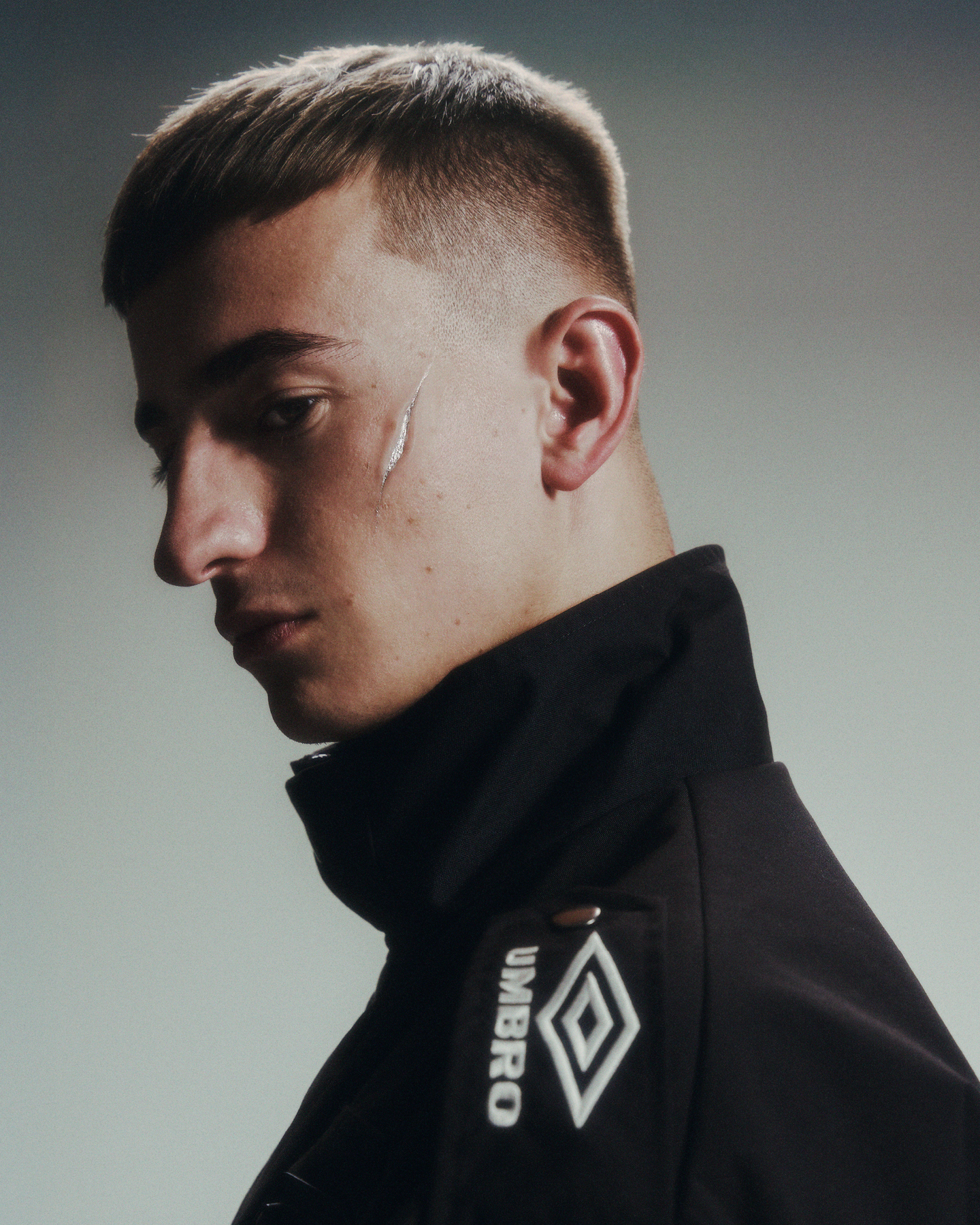
Persona and public perception are interesting concepts to contemplate when it comes to an artist like this, following a rapid rise that has left little time to separate “Olly” from “AZYR”, entrenched in a scene that holds showmanship and music with equal aplomb, with social media as a key driver in bringing in fans. “I don’t think I’ve changed as a person really. I like connecting with people, I really appreciate the people who pay money to see me play. If you take the time and take a photo with someone, or just reply to their comment, they are going to remember you, it’s just about being sound,” he explains, ahead of the Drumsheds show. “It sounds easy, but so many people don’t do that. But this isn’t just about performing, it’s that too. If that’s a persona, I guess that’s mine.”
He details his upcoming schedule, which will see him fly from London six hours after his Drumsheds appearance to South America, where he’ll be going straight from the airport to a DJ set. “I just think, when I go onstage, there’s a switch. Even if I’ve woken up 10 minutes ago, crawled out of bed and got up there, as soon as I press play it's like…” he leans forward. “I become the performer, I become a completely different person. I forget all the worries, the tiredness. It just leaves my body.”
“I think when you've got such a passion for something as well, you're in front of a crowd of thousands of people, you're here to perform and you're here to put on a good show,” he continues. “Too many people complain about these little things, and it’s like, you're getting paid a seriously good amount of money, you can travel the world, you get to visit all these amazing places, you've got the best job in the world. [There’s] stuff you've been working on/preparing through the week, and you can now, finally, get a chance to play it. It's the most precious thing, you know? It just turns on like that.”
Despite this “instant switch”, Rowley admits he meticulously plans every set, other than if he’s playing all-night long, explaining that he prefers to “tell a story” and keep things looser across their eight-nine hour run. AZYR’s all-night-long sets are rarer now, as a result of - he explains - playing around “15-20” of said shows in 2024. “It’s obviously super demanding, they are tough shows. I’m quite active behind the decks,” he laughs. “It’s like a marathon.”
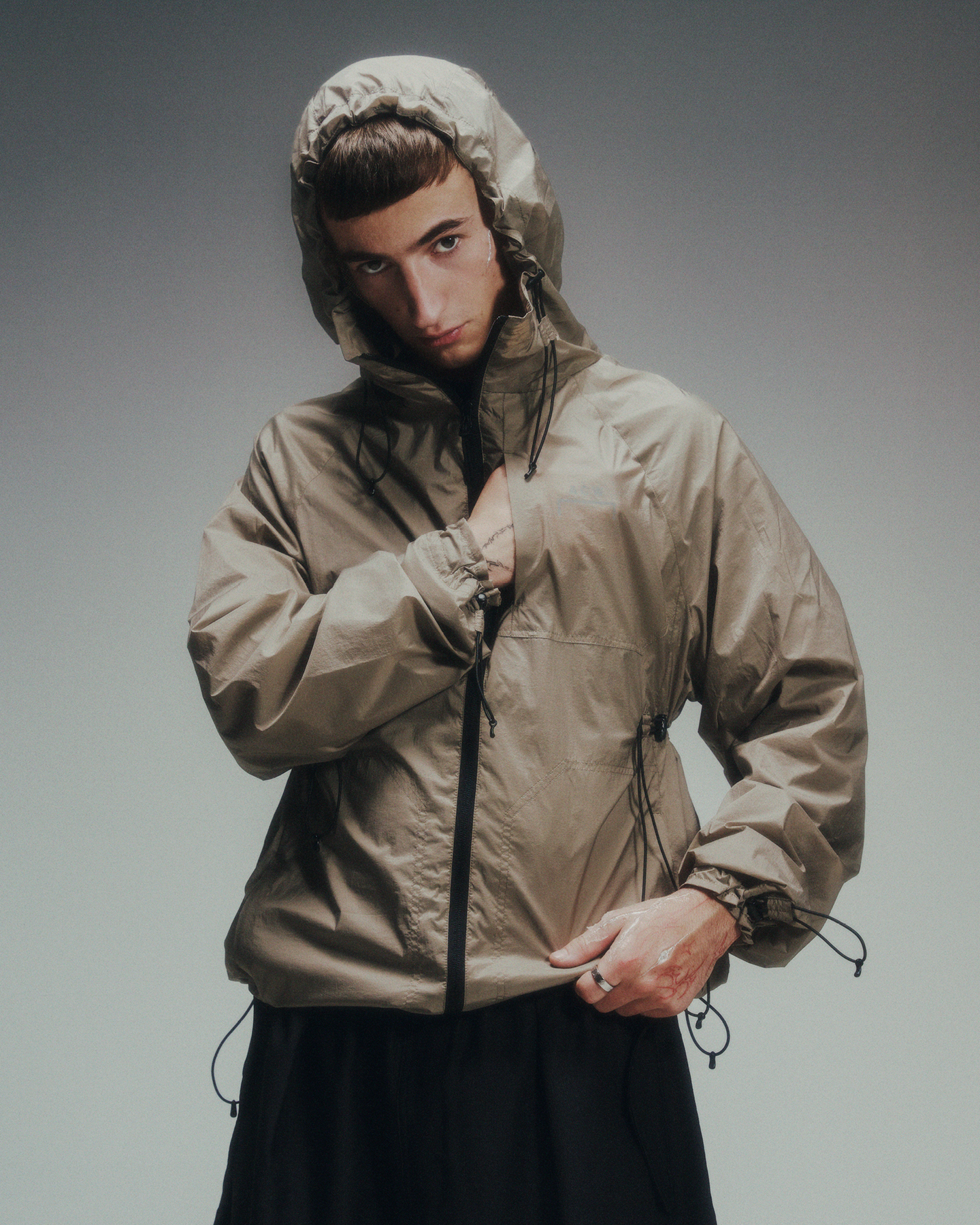
As we speak, the permo-grin is fixed in place, with few instances where it falters even slightly as we speak. Is it that simple, is he really just living the dream? But then, as he describes his current place in the scene, there’s a sliver of unease. “The thing is, I've always stuck with my roots and played what I enjoy. Even if what I play now isn’t trending, or what’s popular, that’s just what I’m into.” And what is the sound that he feels is threatening the hard techno obsession that has sent him to stratospheric heights? “Industrial,” he explains. “I mean, it's doing amazing. But I just can't do it. I’ll play a couple of tracks in my sets here and there, but I prefer that classic 2023 sound.”
It’s an odd concept that a “sound” from three years ago would be “classic”, and yet to see it from Rowley’s perspective, both utilising and at the whim of social media trends that are changing at the same breakneck speed that made him a star overnight, you can see where his anxiety stems from. “You never want to doubt yourself,” he tells me. “This scene changes so fast. But if I played the industrial techno people are playing in sets right now, I wouldn’t enjoy it. Then it’s like, if I’m not enjoying it, then why am I doing it? It becomes a battle of: Are you going to do it for yourself? Or are you going to do it because it’s popular?”
“A lot of these artists, who didn't want to get on board with the new sound post-COVID, they got left behind, and for me, that's something that's happening now,” he remarks. I look at him incredulously. Can this 26-year-old, being faced with thousands of screaming fans each week, honestly, think he’s somehow over the hill? “I mean, I have validation from everybody. But you want this to last,” he continues. “This is the best job in the world. You're going to do anything to make sure it's possible.”

For Rowley, this has spurred on a desire to get back into production, to “go back to his roots” and not only cater to crowds with his selections, but help to build the sound via his tracks too. “When I first started, that’s what really did it,” he says. “Then, when touring started, it wasn't like I was brought gradually into it, it was zero to 100. Straight away. I almost got that production side taken away from me.”
“I've released here and there, but nothing monumental,” he continues. “I want that music to last now, and that's one of the hardest challenges as a producer, especially in this space, is creating music that has that longevity and really lasts – it's not really streamable music, you know? it is quite hard to listen to day to day,” he laughs. Recent months have seen him release tracks including ‘No Escape’ on Hive Society and make his Metate label debut alongside Charlie Sparks with ‘Power’, with a release upcoming on his own imprint, Speed Limit Records.
Currently a “one man army”, AZYR established Speed Limit last year with the aim of spotlighting underrated producers, already having churned out nine releases by the time the label hit the six-month mark. “Running a label was something I always wanted to do,” he says. “Being able to release on labels as an unknown producer helped me massively. There's a lot of music [from the label] that I play out in my sets as well.”
The label has hosted releases from producers including Liverpool’s Fin Carroll, Yorkshire-based artist Mark Walker and Turkish duo Version 34. “999999999 had this thing called ‘Hidden Gems’,” he says, referring to the duo’s young artist-spotlighting compilation series on their NineTimesNine imprint. “I remember when they started that, I was like ‘I want to do the same’, you know? I want to give back to these people who are super talented. But, they've just not made a name for themselves yet, or their music isn't being heard by enough people.”
“It's a lot of work, it's super challenging, we get so many demos weekly,” he continues. “Honestly, it takes up a lot of my day, I can't lie. But in the long run, it's what I'm passionate about. I'm going to grow the label, grow the team, and then have more people backing me so I can run it as smoothly as possible, just so it can achieve its full potential.”

A couple of months down the line in April, AZYR is once again whipping bodies into feral motion, this time at The Cause for his own specially curated edition of the Mixmag Lab. In the time since we first met, he’s polished off a North American tour and riled up the masses at Amsterdam’s 17,000-capacity Ziggo Dome for Verknipt, and I’m wondering, when does he find the time to really think about what has happened to him in the last few years. “That’s probably one of the most asked questions ever. When do you get to sit back and just process everything? And you know what, a lot of time… you just don’t,” he admits. “You could do the biggest show of your life, close Creamfields, a 6,500-capacity show in Manchester. But it’s only after a year, or even two years, where you sit back and remember how fucking good that was.”
“Maybe after a show you'll look at the videos and you'll be like, yeah that was good. But then, you're on a flight in the next hour, you've got another show to prepare for,” he adds. “It's quite sad you don't really get the time to appreciate what you've just done. From a crowd perspective, they'll go home and probably speak about it for the next two months or whatever.”
In his chaotic, whirlwind of a journey that has seen him overcome unlikely odds, it's understandable why anxieties have permeated both AZYR’s reflections and perceptions of his place in dance music. But if hard techno continues to expand beyond its already-mammoth proportions, then AZYR is primed to join the superstar DJ ranks – if he hasn’t cemented his place there already. Among all the dizzying ups and downs, what is it, for Rowley and AZYR, that has made the road to get here so meaningful? “You know, I don’t know that many people who’ve made it from the North. There’s barely any big hard techno DJs from my area,” he says. “Then, one of the nicest things anyone has ever said to me, is that because I started so young, other people see me and believe they can do it too.”
AZYR in the Mixmag Lab London drops on May 20, check it here
Megan Townsend is Mixmag's Deputy Editor, you can email her here


